





Wire Temper and Jump Rings
In this tip, Judy Larson shares how discovering chain maille changed the way she approached jump rings and wire temper.
After making a set of Byzantine chains, which use a lot of jump rings, she began to realize just how many jump rings were going into all of her projects. What really stood out was how much she had spent on them over the years. That realization became a turning point and led her to start making her own.
After making a set of Byzantine chains, which use a lot of jump rings, she began to realize just how many jump rings were going into all of her projects. What really stood out was how much she had spent on them over the years. That realization became a turning point and led her to start making her own.
Instructions
How I Store My Jump Rings
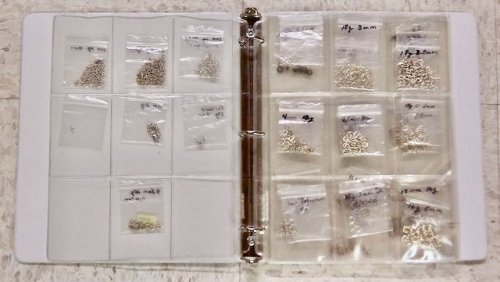
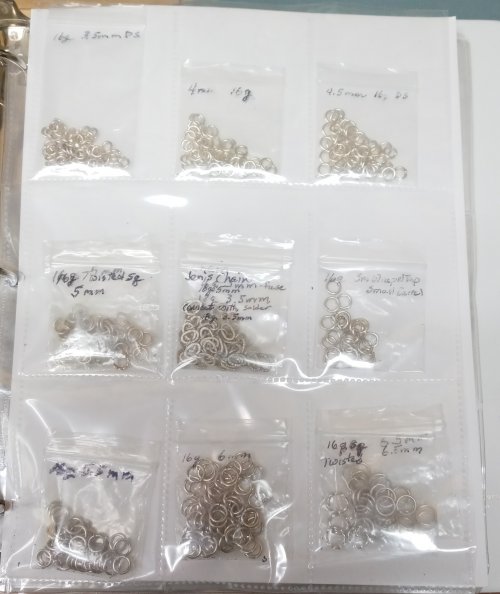
The majority of my jump rings are made using a metric set of mandrels, separately labeled and stored in baseball card sleeves in a three-ring binder, easily accessible on a shelf close to my work surface.

Coiling Wire with a Drill for Consistent Jump Rings
Using a drill to coil wire gives you more consistent tension and uniform jump ring sizes. It also saves your hands from strain; something that becomes more important the longer you work.Wearing a heavier leather glove is a smart idea. It protects your hand and helps you keep a steady grip on the wire without having to squeeze too tightly. It also adds a layer of safety in case the wire slips or snaps.
Do you have a favorite mandrel size you stick with for jump rings, or do you switch it up depending on the project?

Understanding Wire Temper and Its Impact on Jump Rings
The temper of your wire has a direct impact on how tightly it coils and what size your finished jump rings will be. Softer wires conform more closely to the mandrel, creating tighter coils and slightly smaller rings. Harder wires resist bending and tend to spring back, which results in looser coils and slightly larger rings.It is a subtle difference, but it matters when you are aiming for consistent sizing, especially in chain maille or other weaves where uniformity is important.
Do you adjust your mandrel size or wire gauge based on temper to compensate? Or do you tweak your tension while coiling?
Wire Tempers I Keep on Hand (DS, HH, FH)
Dead-Soft (DS)
Fine Silver
Sterling Silver
Copper
Gold-filled
Brass
Argentium
Sterling Silver
Copper
Gold-filled
Brass
Argentium
Half-Hard (HH)
Copper
Argentium
Argentium
Full-Hard (FH)
Gold-filled
Argentium
Argentium
Other
Niobium
There are certain gauges and tempers I always keep on hand.
My wire stash includes 24 gauge and finer, as well as 16 gauge and heavier, only in dead-soft temper. In my work, I find that I use all available tempers in 22, 20, and 18 gauge wire.
My wire stash includes 24 gauge and finer, as well as 16 gauge and heavier, only in dead-soft temper. In my work, I find that I use all available tempers in 22, 20, and 18 gauge wire.
When to Use Full-Hard, Half-Hard, or Dead-Soft Wire
What are the different tempers used for?Full-hard wire:
Ideal for jump rings that will not be soldered because it holds its shape well. Keep in mind that 18 gauge and finer rings can still be pulled open under stress, so doubling jump rings for added strength is often a smart choice. Full-hard wire is also excellent for ear wires since they need to maintain their shape through regular wear.
Half-hard wire:
A great middle ground. It is more flexible than full-hard but holds its shape better than dead-soft. This makes it a good choice for jump rings that may need some manipulation, as well as a sturdy core for wire wrapping and weaving.
Dead-soft wire:
Very easy to manipulate and perfect for tight coiling around mandrels when you need exact ring sizes. Its malleability also allows you to correct kinks without breaking the wire. Because it is so soft, jump rings can change slightly with handling, so temper and sizing become especially important when precision fit matters, such as in bracelets.
Finding the right combination of temper and ring size often takes some experimentation. Small differences can affect overall fit and durability, especially in pieces that see frequent wear.

Measuring Jump Rings for Accurate Fit
Measuring the outside diameter (OD) instead of the inside diameter (ID) can be a practical and consistent approach, especially when working with small jump rings. The OD is often easier to measure accurately, and even tiny variations in size can add up quickly.Small differences in jump ring diameter can be the difference between a bracelet that fits perfectly and one that feels slightly too loose or too tight.
Comparing dead-soft and half-hard jump rings side by side clearly shows how temper affects final size and fit. Material properties directly influence the finished piece, and paying attention to those details can significantly improve overall craftsmanship.
Pro Tip: Store jump rings made with different tempers and types of wire separately.


In Conclusion
Understanding how wire temper affects coiling, spring-back, and final ring size gives you far more control over your finished jewelry. Small adjustments in gauge, temper, and measuring method may seem minor at first, but they can dramatically improve consistency, strength, and fit.When you begin making your own jump rings, these details become even more important. The way your rings coil, how they respond to tension, and how accurately they fit together all impact the success of your final chain.
If you are ready to put these principles into practice, be sure to read Part 1 of the Making Your Own Chain series, where the process of creating and assembling jump rings is covered step by step. It pairs perfectly with this discussion and will help you build chains that are both beautiful and durable.

Materials

Wire - Wide variety of Gauges, Metals and Hardness
Tools

The Quad Jump Ring Former
DUR-1312
- DUR-1312
- Lesson Quantity: 1.00 pieces
- Purchase Quantity: 1.00 each
- Price: $388.00
- Gold Club Price: $291.00

Hand drill
- Lesson Quantity: 1.00 pieces
- Purchase Quantity: 1.00 each

12 Inch Stainless Steel Ruler
G7-30
- G7-30
- Lesson Quantity: 1.00 pieces
- Purchase Quantity: 1.00 each
- Price: $2.97
- Gold Club Price: $2.23
Mister Twister Hand Coiler, 8 Piece Set, Long Mandrels
Jewelrytools - Product ID WIR-120.05
- Jewelrytools - Product ID WIR-120.05
- Lesson Quantity: 1.00 pieces
- Purchase Quantity: 1.00 each
Supply Detail
loading...
Change Metal:
This Tip requires:
Purchase quantity:
Price: $
Gold Club Price: $
Purchase quantity:
Price: $
Gold Club Price: $
- Category: Findings
- Technique(s): General Education

Judy Larson
Other Tips by Judy Larson
 Cleaning Your Jewelry
 Build A Tool Rack
 Clamps for Jewelry Making
 Finishing Wire Ends
 Handmade Closures
 Removing Tarnish From Your Jewelry
 Homemade Pickle
 Wire Wrapped Loops
 How to Make Balled Head Pins
 Lessen the Noise - Save Your Eardrums
 Make a Rivet and Eyelet Tile
 Two Tips for Making Pendant Bails with Craft Wire
 Petal Forming on a Wood Block
 Save Your Fingers while Texturing
 Soldering on Copper
 Sticker Templates
 Using 6 Step Barrel Pliers
 Using a Center Finder
 Using a Tile to Cut Rivets
 Using Household Super Glue on Minor Cuts, Nicks and Scrapes
 Using Tiles on Tube Rivets and Eyelets
 Clothespin Tools
 Making Decorative Granulation Beads
 Using Your Hole Punch Pliers
 Decorative Granulation and Beads
 How to Find and Mark the Center of a Disc.
 Choosing the Right Clasp
 Chunky Chain Inspiration
 Tool Tip - Steampunk or Industrial Rivets
 Storing Jump Rings
 Wear Your Brooches on a Neckwire
 Storing Your Metal
 Using Disc Cutter Shims
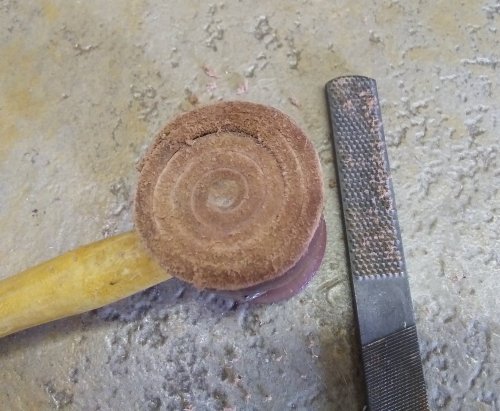 Conditioning a Rawhide Mallet
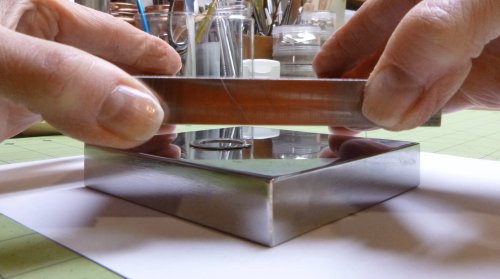 Flattening Metal Pieces
 Quenching
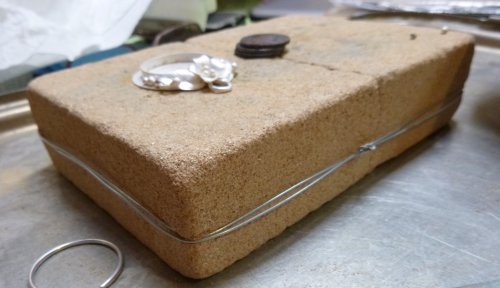 Saving a Broken Solder Brick
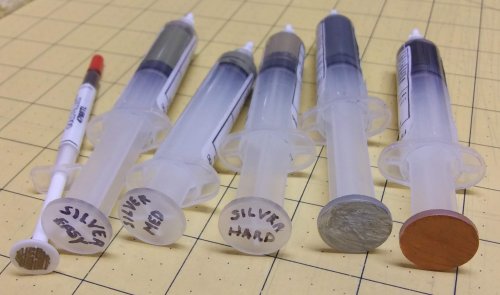 Why I Use Solder Paste
 Designing a Toggle Clasp That Works
 Round Mandrels
 Get the Look of Eyelets
 Earring Pairs Template
 Storing and Caring for Files
 Open or Closed Jump RIngs on Bracelets and Necklaces
 Versatile Permanent Markers
 You Used What
 Rescuing a Very Used Magnesia Soldering Block
 Using Hole Punch Pliers
 Metal Shears Care
 Paperclip Earrings
 Think Outside the Box - Alternative Metal Texturing
 Make Stamping Metal a Bit Easier
 Stone Bezel Setting Tips
 Viking Knit Tips
 Using Glue Under Cabochons
 Tool Tip - Digital Pocket Scale
 Repeat Performance
 Another Way to Condition a Rawhide Mallet
 Carry a Sketch Pad
 Why You Should Take a Class
 Jewelry Making Templates
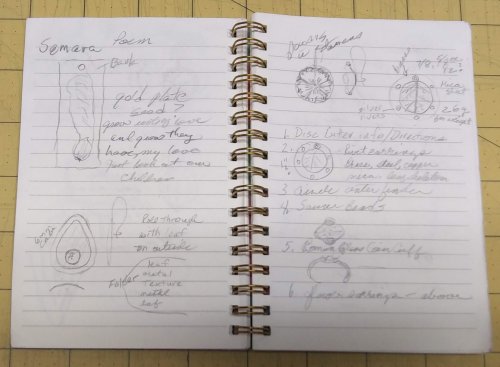 Carry a Sketch Pad
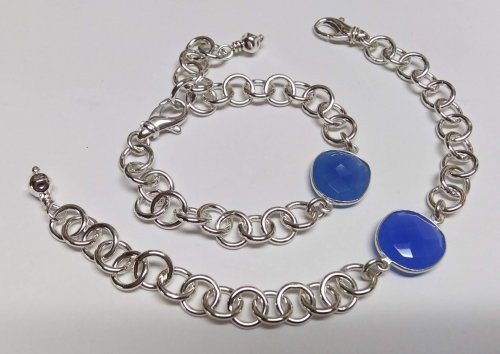 Keeping Your Bracelet Focals in Place
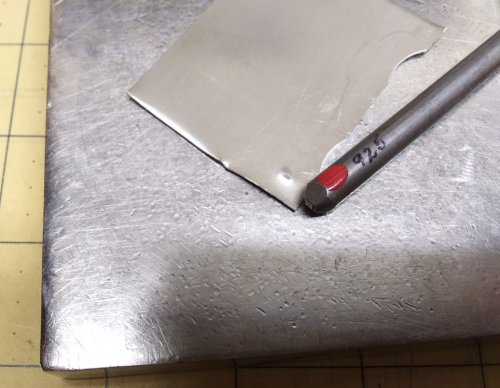 Metal Content Stamping
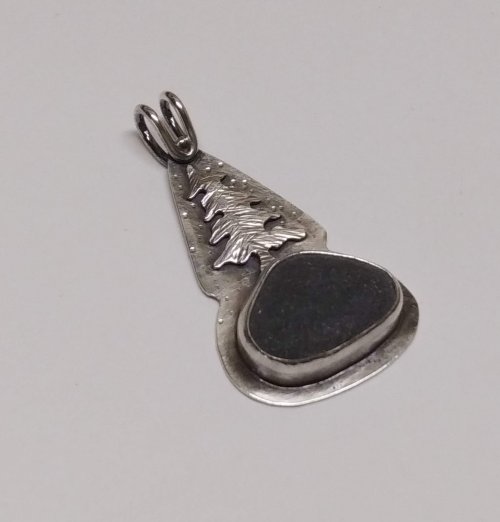 Pine Trees, Animals, and Mountains Templates
 Using Sanding Sponges and Papers
 Adding Depth to Carved Beads and Cabochons
 Closing Rings Tightly for Soldering
 Squaring Wire Ends
 Ring Mandrels
 Tool Tip - Bench Brushes
 Scrap Wire Twisted Rings
 Tool Tip - Soft Bristle Metal Brushes
 Project Multiples - Calibrated Cabochons
 Mobius Pearl Drop Earrings
 Copper Wire Solder
 Large Dapping Punches and Alternatives
 Project Multiples - Glass Pebble Cabs
 Project Storage
 Tiny Bead and Findings Storage
 Working Smart
 Display Trays as Storage
 Making TIny Leaves
 Adapting a Tutorial
 Build Better Bead Storage
 Using Magical Crimping Pliers
 Add a Touch of Gold
 Make a Lacy Argentium Scrap Metal Sheet
 Birch Bark Texture
 Versatile Snap-on Bails
 Bead Cap Primer
 Using Glue Sticks with Printed Templates
 Choosing a Lake or Riverstone
 Do a Facebook Collaboration
 Shielding a Jewelry Piece When Stone Setting
 Some Ideas Are Right in Front of You
 Curving and Scrolling Wire
 Using Snapsets to Add Sparkle to Your Work
 Cutting Wire Multiples of the Same Length
 Separating Distinct Textures on a Single Piece of Metal
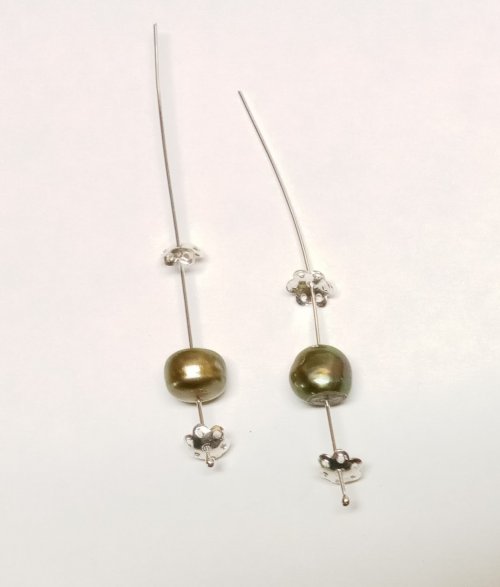 Changing the Size of a Pearl
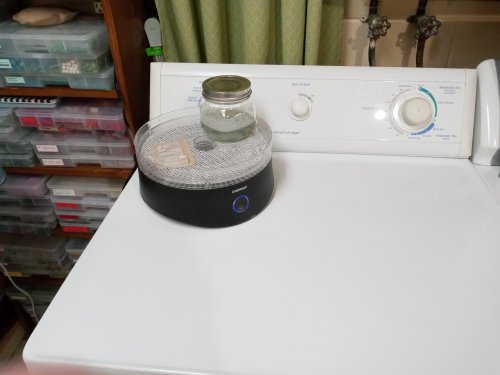 Easy Ring Cleaning
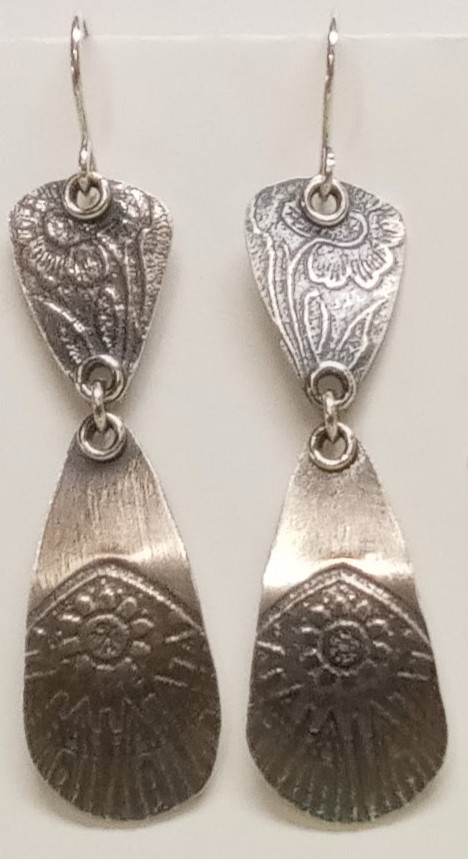 Add a Bit of Dimension
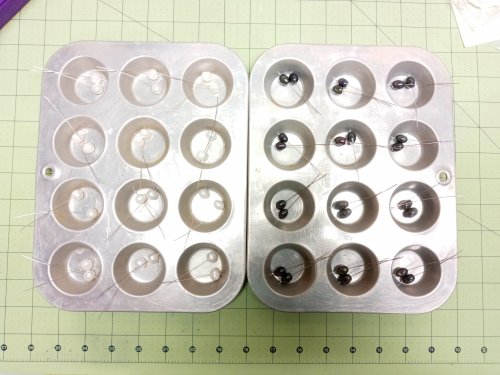 Keeping Projects Separate
 Tumbling and Polishing Metal Beads
 Unexpected Jewels
 Saws and Turning Radius
 Flattening Metal Pieces
 Mobius Ring Spacers
 Filing Angled Wires in a Jig
 Storing Handmade Elements
 Simple Way to Straighten Wire
 Two Ways to Make Simple Loops
 Making Simple Eyepins
 Using Fun Tak as a Resist
 Why Use a Binder to Store Embellishments
 Storing Dapping Blocks and Punches
 Wire Basics - Opening and Closing Jump Rings
 Enlarging a Bezel
 Leaf Inspirations
 Earring Findings for Different Ages
 Accidentally Learning Something New
 Fusing Jump Rings
 Tool Tip - Divided Caliper Scribe
 Out of the Mouths of Babes or Fixing a Spinning Bracelet
 Rethinking a Design
 When Bead Holes are Too Large
 Soldering a Dome to a Backplate
 Eye of Shiva AKA Pacific Cat's Eye
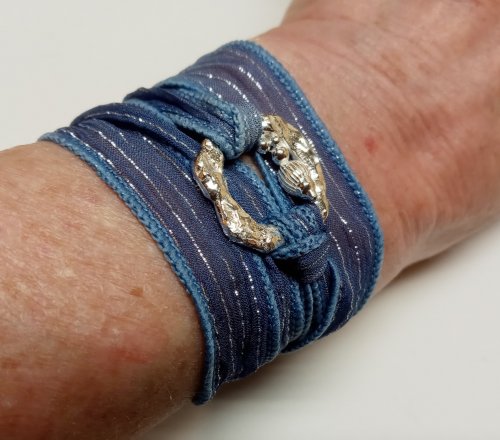 Ribbon Wrapped Bracelet tips
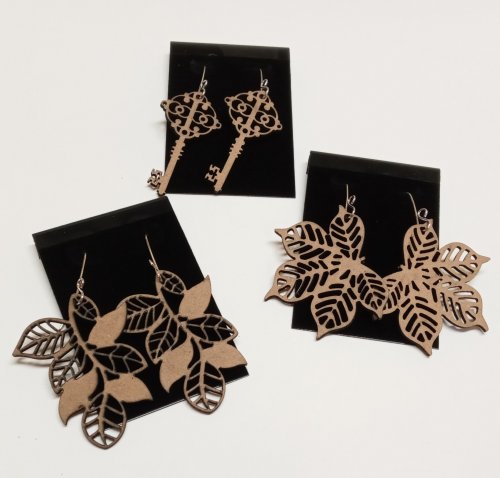 Making Lightweight Earrings with Unexpected Finds
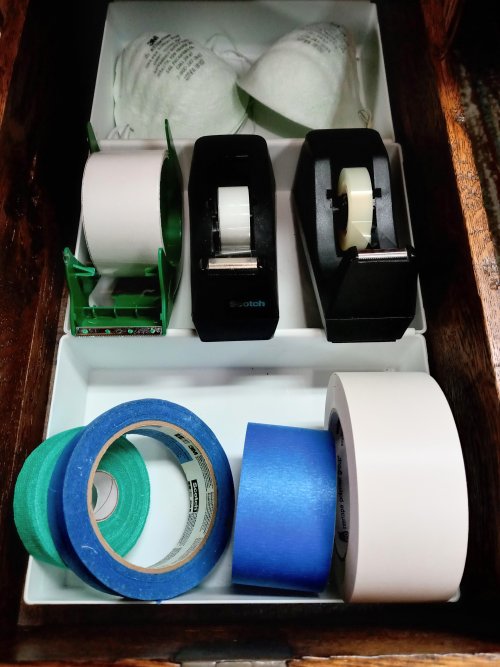 Tool Tip - Indispensable Tapes
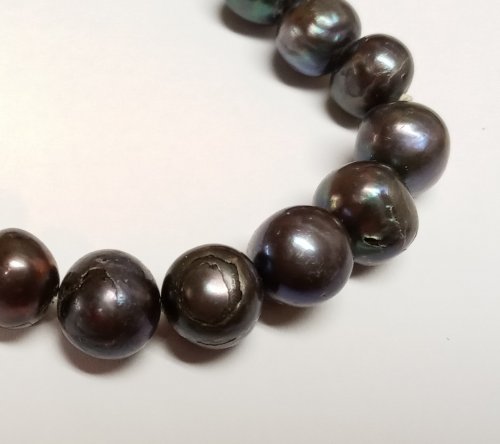 What Happens To Pearls Not Worn, Cleaned, and Stored Properly
 Aha Lightbulb Moment
 Adding Loops for Dangles on a Classic Wire Bezel Wrap
 After the Rain - Found Treasures
 Back to School
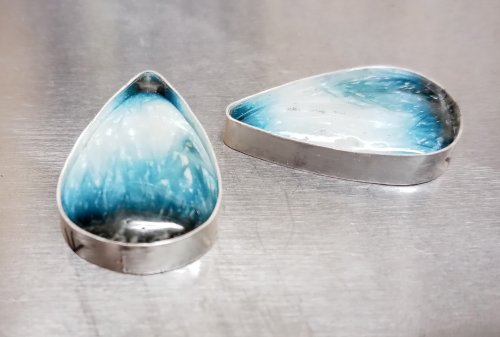 Bezel Solution for Corners and Points
 Filling Holes in Stones
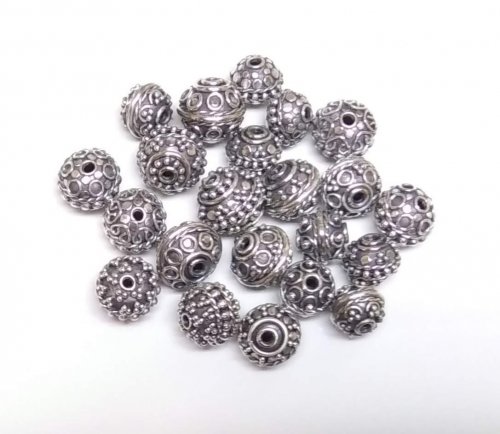 Dots to the Rescue
 Raising Stones in Bezel Settings
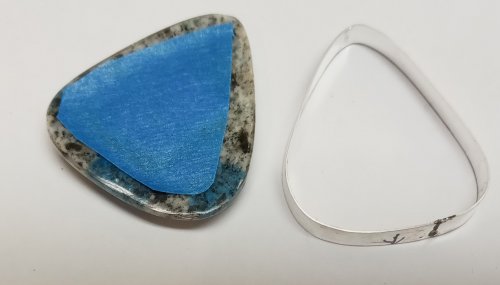 Leveling the Bottom of a Large Bezel
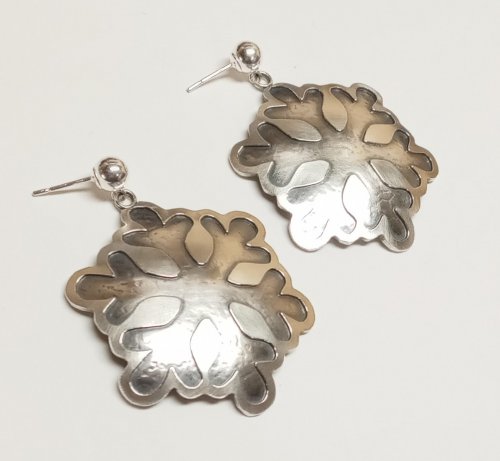 Using Leftovers
 Make-do Sawing Solutions
 Combining Tutorials
 Scrap Melt
 What's Your Jewelry Style
 Using Wax from Braces
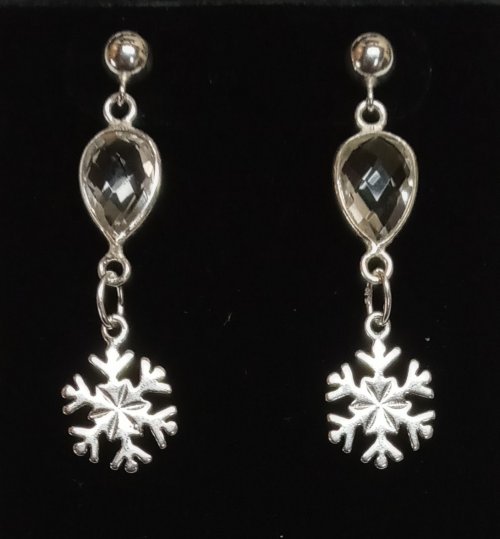 Sometimes Simple Really is Better
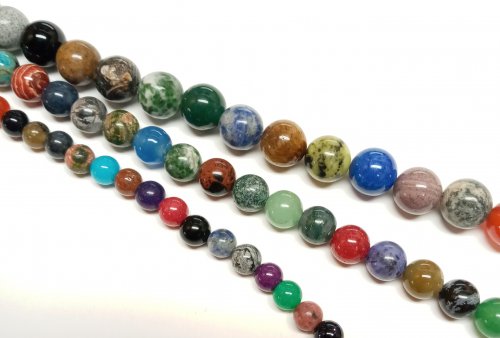 Bead Soup and Small Changes
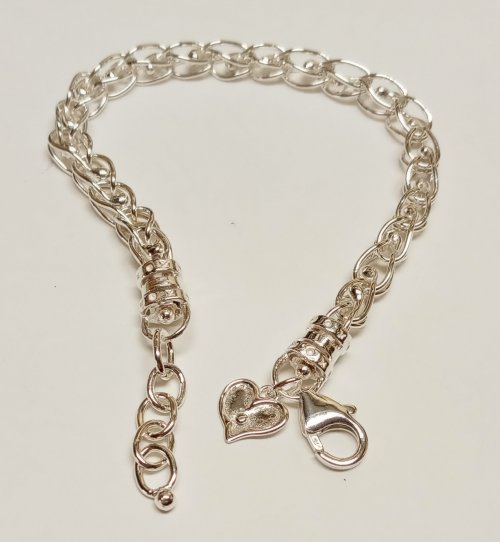 Repurposing Sterling Cord End Findings
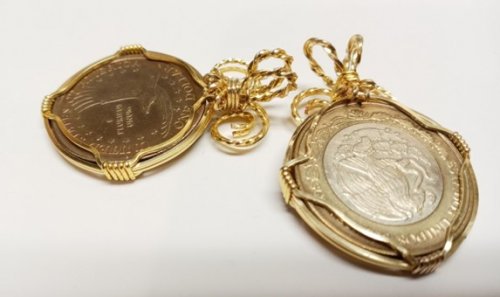 Wire Wrapped Bail Finishing Options
 Protecting The Back of a Piece When Setting Stones
 Altering Your Dapping Block
 Trimming Around a Bezel
 Making Tiny Dapped Metal Leaves
 Labeling Cabs When Working with Them
 Basic Round Well Wood Dapping Blocks
 Get Inspired by What's on Your Bench
 When Things Go Awry
 Putting On and Taking Off a Cuff Bracelet
 Adding Hearts to Your Designs
 Taking Care of Your Rolling Mill
 Power Up
 Hammer Basics
 Embellish Bezels with Twisted Wire
 Embellish a Treasure Box
 Make a Polymer Clay Cabochon Mandrel
 Jewelry Packaging for Small Items - Pillow Boxes
 Make-do Sawing Solutions
 Ball Chain Embellishments
 Pickling and Super Pickle
 A Better T-bar
 A Better Way to Change a Saw Blade
 Making Consistent Hanging Loops
 Targeted Patina
 Coin Focal Inspiration
 Bracelet and Paperclip Trick
 What Wire is Best for Earring Findings
 Storing Your Metal Stamps
 Save Those Old Buttons
 Adjusting Purchased Ear Wires
 Twisted Wire Tips
 Stash Inspiration and Notes
 Short Quotes for Stamped Jewelry
 My Favorite Tweezers
 No Rolling Mill- No Problem
 Coiling Wire for Jump Rings
 Cutting Coils Into Jump Rings
 Closed Jump Rings Soldering vs Fusing
 Recycling Scrap Into Sheet Metal

The premier place for all your jewelry making needs. The best in wire, tools, cabochons, gemstone beads and more. As well as a superior resource for educational support to help build your jewelry making skills and techniques.
Connect With Us

® 2007 - 2026 Wirejewelry.com Powered by ClaimTheWeb Cart