




What's a Cubic Zirconia Stone
Question:
What are CZs, and how are they different from crystals? Where do I find them? How are they different from lab stones?
-Merry in Smithers, B.C
What are CZs, and how are they different from crystals? Where do I find them? How are they different from lab stones?
-Merry in Smithers, B.C
Answer:
As I believe you are inquiring about the difference between different cut stone definitions, here is my answer
As I believe you are inquiring about the difference between different cut stone definitions, here is my answer
Lab-grown and lab-created stones mimic natural gems' composition and structure.
They are synthetic, vivid in color, and free of inclusions from purified materials.
These are real stones, not earth-mined; "simulated" means glass-based.
They are synthetic, vivid in color, and free of inclusions from purified materials.
These are real stones, not earth-mined; "simulated" means glass-based.
A cut stone labeled just "crystal" is usually glass.
Natural clear quartz is called "Rock Crystal," faceted from quartz chunks that rarely form clear in bulk.
Natural clear quartz is called "Rock Crystal," faceted from quartz chunks that rarely form clear in bulk.
A Swarovski bead is made of Full Lead Crystal, meaning that the lead oxide content in the glass mixture is a minimum of 32%.
The addition of the lead oxide gives this special glass a nice weight as well as extra refractive qualities, making lead crystal sparkle.
The addition of the lead oxide gives this special glass a nice weight as well as extra refractive qualities, making lead crystal sparkle.
Cubic Zirconia (CZ), developed in 1977, simulates diamonds using zirconium dioxide.
It has a hardness of 8, high refractive index for sparkle, and high melting point-ideal for PMC work.
Wire-Sculpture offers an amazing selection of loose CZ stones.
It has a hardness of 8, high refractive index for sparkle, and high melting point-ideal for PMC work.
Wire-Sculpture offers an amazing selection of loose CZ stones.
For future reference, the FTC (Federal Trade Commission) has easily-understood guidelines that can help you when purchasing stones.
Answer contributed by Dale "Cougar" Armstrong
Answer contributed by Dale "Cougar" Armstrong
Materials

Swarovski Crystal Beads

Cubic Zirconia Gemstones
Tools

WireJewelry - Ultimate Wire-Pliers Jewelry Pliers with Case, Set of 5
G15-20
- G15-20
- Lesson Quantity: 1.00 pieces
- Purchase Quantity: 1.00 each
- Price: $170.72
- Gold Club Price: $128.04
Supply Detail
loading...
Change Metal:
This Article requires:
Purchase quantity:
Price: $
Gold Club Price: $
Purchase quantity:
Price: $
Gold Club Price: $
- Category: General Education
- Technique(s): Design, General Education
Dale Armstrong
Other Articles by Dale Armstrong
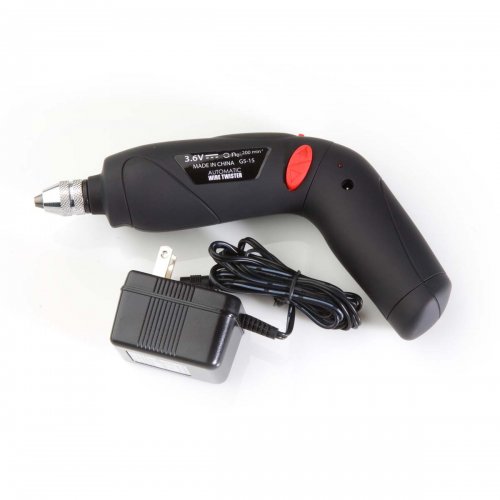 Getting Twisted - Jewelry Making Tools
 How to Price Your Wire Jewelry
 How to Measure Gemstones for Settings
 Cool Anklets are HOT
 Inspiration Comes from Everywhere and Every Thing
 Wire Jewelry Display and Booth Ideas
 Where to Sell Your Wire Jewelry
 How to Choose Wire Temper for Making Jewelry
 What Gauge of Wire Should I Use to Make Jewelry
 Rockhounding - A Beginner's Guide
 What Shape of Wire Should I Use to Make Jewelry
 Gem Profile- Bloodstone
 Gem Profile- Picture Jasper
 Gem Profile- Patterned Jaspers
 Gem Profile- What is Jasper
 Gem Profile- Quartz Introduction
 Gem Profile- Wishful Turquoise
 Gem Profile- Amethyst
 Gem Profile- Fluorite
 Gem Profile- Obsidian
 Gem Profile- Rose Quartz
 Gem Profile- Smoky Quartz
 Gem Profile- Citrine and Ametrine
 Gem Profile- Labradorite
 Gem Profile- Rhodochrosite
 Gem Profile- Moonstone
 Gem Profile- Prehnite
 Gem Profile- Jade
 Gem Profile- Amazonite
 Gem Profile- Corundum
 Gem Profile- Quartz with Inclusions Part 1
 Gem Profile- Quartz with Inclusions Part 2
 Gem Profile- Aventurine
 Gem Profile- Macrocrystalline Quartz
 Gem Profile- Tiger Eye
 Gem Profile- Fire Agate and Iris Agate
 Gem Profile- Amber
 Gem Profile- Ruby Zoisite
 Gem Profile- Ruby Fuchsite
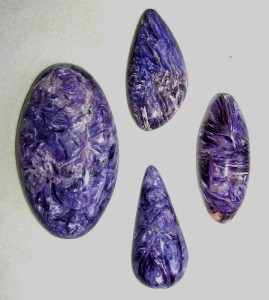 Gem Profile- Charoite
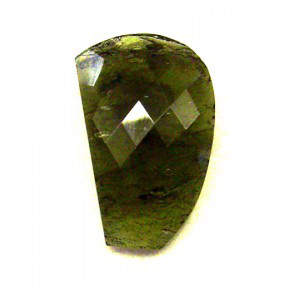 Gem Profile- Moldavite
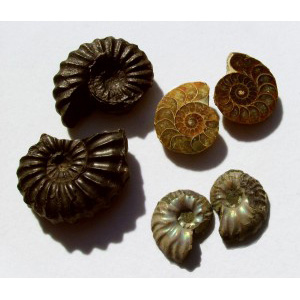 Gem Profile- Ammolite
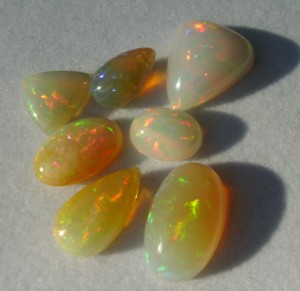 Gem Profile- White Precious Opal
 Gem Profile- Opalized Fossils
 Gem Profile- Boulder Opal
 Gem Profile- Black Precious Opal
 Gem Profile- Pyrite
 Gem Profile- Opal Introduction
 Gem Profile- Beautifully Colored Jasper
 Gem Profile- Common Opal
 Gem Profile- Lapis Lazuli
 Wire Sculpture Expert Dale -Cougar- Armstrong Interview

The premier place for all your jewelry making needs. The best in wire, tools, cabochons, gemstone beads and more. As well as a superior resource for educational support to help build your jewelry making skills and techniques.
Connect With Us

® 2007 - 2026 Wirejewelry.com Powered by ClaimTheWeb Cart