




Rockhounding - A Beginner's Guide
Searching for rocks and minerals can be an extremely gratifying pastime with many benefits such as: enjoying all that Mother Nature has to offer in her great outdoor arena, (including rain, mud, and creatures); healthy treks through various terrains, (both above and underground); quality time either alone or with family or friends; and re-experiencing the simple joy of discovering something 'special' ~ be it an amazing 'find' or a simple treasure.
Note: Article originally posted in 2010. Be sure to research current rules and regulations.
Note: Article originally posted in 2010. Be sure to research current rules and regulations.

Rockhounds come in many categories.
Some focus on perfect mineral specimens for collections. My obsession is wulfenite.
Fossils thrill others. They're found worldwide and connect you to Earth's past.
Kids love shiny things. Some adults collect only crystals.
Lapidary rockhounds hunt cutting rough to grind, cut, carve, and create beauty.
As many rockhound types exist as rocks themselves.
Even picking a shiny backyard stone to identify counts as a true rockhound moment.
Some focus on perfect mineral specimens for collections. My obsession is wulfenite.
Fossils thrill others. They're found worldwide and connect you to Earth's past.
Kids love shiny things. Some adults collect only crystals.
Lapidary rockhounds hunt cutting rough to grind, cut, carve, and create beauty.
As many rockhound types exist as rocks themselves.
Even picking a shiny backyard stone to identify counts as a true rockhound moment.
Safety comes first for rockhounding.
Carry a first aid kit, bug spray, pocket knife, waterproof matches, water, energy bars, and bandanas.
Bandanas prove surprisingly useful in the field.
A cell phone helps, but it may fail in remote areas.
Always tell someone your plans and return time.
Leave a note in your vehicle for remote spots.
Stay aware of surroundings. Pack sunscreen or a hat if needed.
Never go alone!
Carry a first aid kit, bug spray, pocket knife, waterproof matches, water, energy bars, and bandanas.
Bandanas prove surprisingly useful in the field.
A cell phone helps, but it may fail in remote areas.
Always tell someone your plans and return time.
Leave a note in your vehicle for remote spots.
Stay aware of surroundings. Pack sunscreen or a hat if needed.
Never go alone!
Equipment depends on your location and targets.
Sometimes, two five-gallon buckets suffice: one for tools, one for finds. Other times, use a pack basket or backpack.
My field kit adds to safety basics: Estwing hammer, 2-pound sledge, chisels, jeweler's loupe, pickaxe, water spray bottle, 35-foot nylon rope, potato rake, gloves, small bottles, and paper towels.
Sometimes include a rock guide and camera.
It seems like a lot, but match it to your hunt.
Sometimes, two five-gallon buckets suffice: one for tools, one for finds. Other times, use a pack basket or backpack.
My field kit adds to safety basics: Estwing hammer, 2-pound sledge, chisels, jeweler's loupe, pickaxe, water spray bottle, 35-foot nylon rope, potato rake, gloves, small bottles, and paper towels.
Sometimes include a rock guide and camera.
It seems like a lot, but match it to your hunt.


Reader-Optimized Version
One excursion was with Ed Davis, former owner of The Purple Passion Mine.
He rated rockhounds from level 1 ("open car door, pick it up") to level 10 (serious mining).
I said my husband and I were about an 8.
After 12+ hours hauling a generator through the desert, exploring tunnels, and digging a stunning amethyst chunk with phantom crystals, Ed upgraded us to level 13: Serious Hard Core!
I was raised in this hobby with over 35 years of experience.
One excursion was with Ed Davis, former owner of The Purple Passion Mine.
He rated rockhounds from level 1 ("open car door, pick it up") to level 10 (serious mining).
I said my husband and I were about an 8.
After 12+ hours hauling a generator through the desert, exploring tunnels, and digging a stunning amethyst chunk with phantom crystals, Ed upgraded us to level 13: Serious Hard Core!
I was raised in this hobby with over 35 years of experience.


Get a good rock and minerals field guidebook.
It helps identify your finds.
I like the Golden Guide to Rocks & Minerals. It's a small paperback for my pack.
For home, try 'Peterson First Guide to Rocks and Minerals' by Frederick H. Pough.
This starts you off. As you advance, find your favorite resources.
It helps identify your finds.
I like the Golden Guide to Rocks & Minerals. It's a small paperback for my pack.
For home, try 'Peterson First Guide to Rocks and Minerals' by Frederick H. Pough.
This starts you off. As you advance, find your favorite resources.
Start basic rockhounding on your next beach trip or woods walk.
Pick up any interesting rock.
At home, use a book to identify it.
You'll discover the wonders beneath our feet.
Pick up any interesting rock.
At home, use a book to identify it.
You'll discover the wonders beneath our feet.
Decide how to label and display your treasures.
A small collection fits nicely in a bookcase. Label each with name, location, and date.
As it grows, try lapidary work. Start with a tumbler, then add a saw, flat lap, cabbing machine, grinders, or faceting machine.
Soon, rocks take over the kitchen, basement, or garage. Piles form inside and out.
One day, you realize: you're a rockhound!
A small collection fits nicely in a bookcase. Label each with name, location, and date.
As it grows, try lapidary work. Start with a tumbler, then add a saw, flat lap, cabbing machine, grinders, or faceting machine.
Soon, rocks take over the kitchen, basement, or garage. Piles form inside and out.
One day, you realize: you're a rockhound!
Rockhounding makes a great family adventure.
Everyone finds something: kids love crystals, teens dig fossils, adults pick specialties or collect it all (like me).
Try a paid gem sluice to get started.
Buckets may be salted with global materials, but finding quartz, crystals, and colorful rocks stays fun. Staff happily identify your washes.
Sometimes I let my daughter sluice a rainbow bucket for facet-grade rough!
Everyone finds something: kids love crystals, teens dig fossils, adults pick specialties or collect it all (like me).
Try a paid gem sluice to get started.
Buckets may be salted with global materials, but finding quartz, crystals, and colorful rocks stays fun. Staff happily identify your washes.
Sometimes I let my daughter sluice a rainbow bucket for facet-grade rough!


Plan rockhound excursions with a 'Gem Trails' book for your region.
These books list finds, equipment needs, road conditions, hikes, and photos. Authors share personal experiences at sites.
Read all warnings.
Land changes hands, and new owners may ban trespassing.
These books list finds, equipment needs, road conditions, hikes, and photos. Authors share personal experiences at sites.
Read all warnings.
Land changes hands, and new owners may ban trespassing.
Follow legal and moral rules for rockhounding.
Always get permission from private property owners before digging.
Check for miner's claims, which give mineral rights to the registrant.
Visit your county clerk's office or call the state's Bureau of Land Management (BLM).
Use common sense. No Trespassing means stay out!
Always get permission from private property owners before digging.
Check for miner's claims, which give mineral rights to the registrant.
Visit your county clerk's office or call the state's Bureau of Land Management (BLM).
Use common sense. No Trespassing means stay out!
You also need to know where and what you cannot hunt. It is against the federal law to remove rocks, fossils, artifacts, minerals etc. from any and all United States Parks Service properties, including parks, Monuments and Wilderness areas! For full details please check out these government websites:
United States National Park Service
https://www.nps.gov/
U. S. National Parks Geology
https://www.nature.nps.gov/geology/
U. S. National Parks Paleontology
https://www.nature.nps.gov/geology/paleontology/
Bureau of Land Management
https://www.blm.gov
U. S. D. A. National Forests
https://www.fs.fed.us/
U. S. D. A. National
https://www.fs.fed.us/grasslands/
United States National Park Service
https://www.nps.gov/
U. S. National Parks Geology
https://www.nature.nps.gov/geology/
U. S. National Parks Paleontology
https://www.nature.nps.gov/geology/paleontology/
Bureau of Land Management
https://www.blm.gov
U. S. D. A. National Forests
https://www.fs.fed.us/
U. S. D. A. National
https://www.fs.fed.us/grasslands/
There are also specific rules for collecting petrified wood.
For personal use, you may collect up to 25 pounds per day, plus one additional piece, but no more than 250 pounds in a year.
For personal use, you may collect up to 25 pounds per day, plus one additional piece, but no more than 250 pounds in a year.
Fossil hunting has limits.
You need a BLM permit for any vertebrae fossils.
Non-vertebrae specimens are fair game and often very cool.
Always check rules before a serious excursion.
You need a BLM permit for any vertebrae fossils.
Non-vertebrae specimens are fair game and often very cool.
Always check rules before a serious excursion.
Now for my personal favorites, the 'moral' rules.
• Always fill any holes you dig back in and tamp down, especially those dug under and around tree roots. (While you're at it, fill any holes left by folks who
came before you too!) This can help to prevent damage to both your and other people's lower extremities, as well as to any animals who live there.
• Do not leave your non-organic trash. If you carried it in, carry it out, along with any left behind by less conscious people.
• Do not purposely cut, scar and or damage trees! One can always find dry wood around if a small fire is needed, or a hiking staff.
• If a fire is desired on a cold day or a long dig, build a small fire ring away from any shrubs or trees and be very sure to put out every ember and then cover the fire area with dirt when you are finished.
• If needed, dig a small latrine and fill it in before you leave!
• Do not harass local creatures ~ they were there first.
• Do not allow children to run amuck!
• At the end of the day, gather all of your finds and carefully sort through them, taking only those you really like/need for your collection or lapidary needs.
• Leave only footprints behind.
• Always fill any holes you dig back in and tamp down, especially those dug under and around tree roots. (While you're at it, fill any holes left by folks who
came before you too!) This can help to prevent damage to both your and other people's lower extremities, as well as to any animals who live there.
• Do not leave your non-organic trash. If you carried it in, carry it out, along with any left behind by less conscious people.
• Do not purposely cut, scar and or damage trees! One can always find dry wood around if a small fire is needed, or a hiking staff.
• If a fire is desired on a cold day or a long dig, build a small fire ring away from any shrubs or trees and be very sure to put out every ember and then cover the fire area with dirt when you are finished.
• If needed, dig a small latrine and fill it in before you leave!
• Do not harass local creatures ~ they were there first.
• Do not allow children to run amuck!
• At the end of the day, gather all of your finds and carefully sort through them, taking only those you really like/need for your collection or lapidary needs.
• Leave only footprints behind.
And last but not least, my personal favorite rule: 'If you want it and you can haul it, you can have it.' Just remember that heavy rocks get even heavier as you carry them back to your vehicle!
Here, I have given you just a taste of the information available; there is so much more to learn about collecting rocks and minerals! Visit your local library and see what they have to offer.
Spend an afternoon at a local museum and check out their mineral display.
Use your favorite search engine to find the closest rock and mineral club to your hometown and pay them a visit.
Be safe, have fun, and remember the words of Chief Seattle: "The Earth does not belong to us, We belong to the Earth!"
Spend an afternoon at a local museum and check out their mineral display.
Use your favorite search engine to find the closest rock and mineral club to your hometown and pay them a visit.
Be safe, have fun, and remember the words of Chief Seattle: "The Earth does not belong to us, We belong to the Earth!"
Materials

Wire

Beads

Cabochons
Tools

WireJewelry - Ultimate Wire-Pliers Jewelry Pliers with Case, Set of 5
G15-20
- G15-20
- Lesson Quantity: 1.00 pieces
- Purchase Quantity: 1.00 each
- Price: $170.72
- Gold Club Price: $128.04

Bench Tools
Supply Detail
loading...
Change Metal:
This Article requires:
Purchase quantity:
Price: $
Gold Club Price: $
Purchase quantity:
Price: $
Gold Club Price: $
- Category: General Education
- Technique(s): General Education
Dale Armstrong
Other Articles by Dale Armstrong
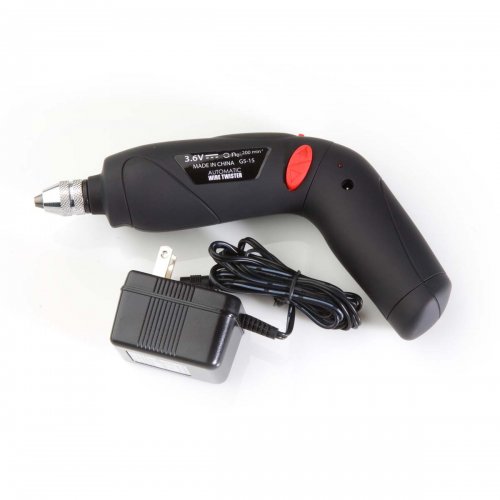 Getting Twisted - Jewelry Making Tools
 How to Price Your Wire Jewelry
 How to Measure Gemstones for Settings
 Cool Anklets are HOT
 Inspiration Comes from Everywhere and Every Thing
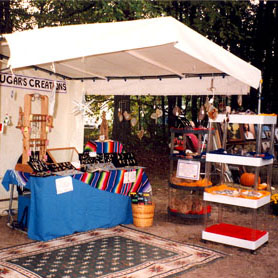 Wire Jewelry Display and Booth Ideas
 Where to Sell Your Wire Jewelry
 How to Choose Wire Temper for Making Jewelry
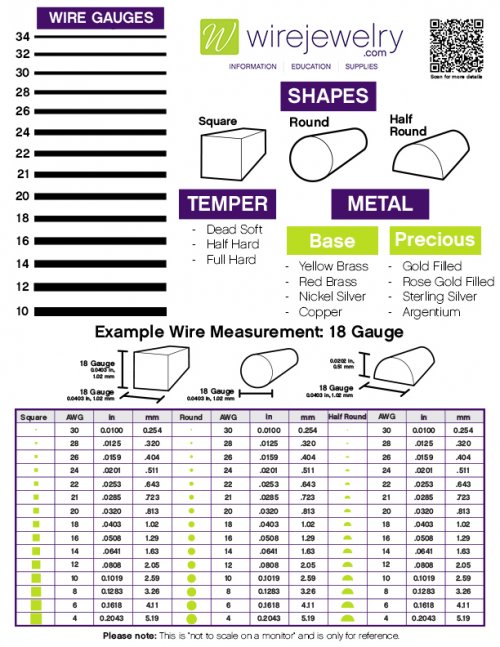 What Gauge of Wire Should I Use to Make Jewelry
 What's a Cubic Zirconia Stone
 What Shape of Wire Should I Use to Make Jewelry
 Gem Profile- Bloodstone
 Gem Profile- Picture Jasper
 Gem Profile- Patterned Jaspers
 Gem Profile- What is Jasper
 Gem Profile- Quartz Introduction
 Gem Profile- Wishful Turquoise
 Gem Profile- Amethyst
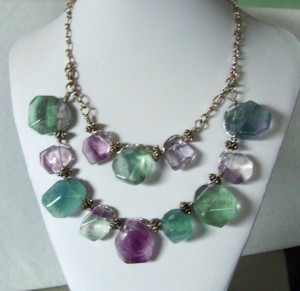 Gem Profile- Fluorite
 Gem Profile- Obsidian
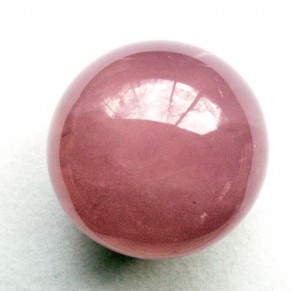 Gem Profile- Rose Quartz
 Gem Profile- Smoky Quartz
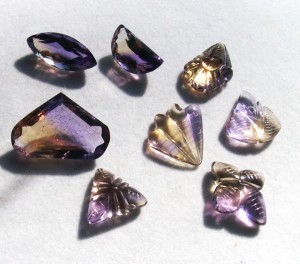 Gem Profile- Citrine and Ametrine
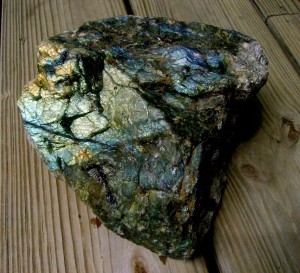 Gem Profile- Labradorite
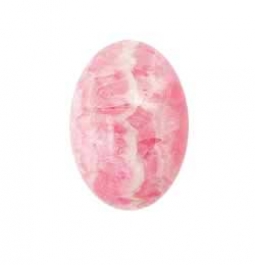 Gem Profile- Rhodochrosite
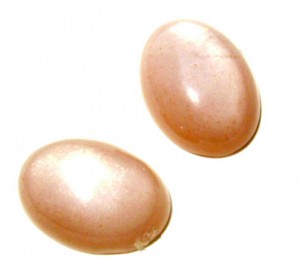 Gem Profile- Moonstone
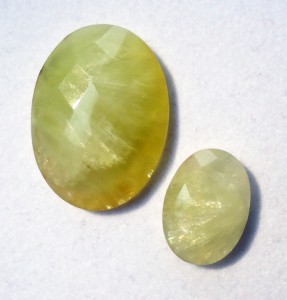 Gem Profile- Prehnite
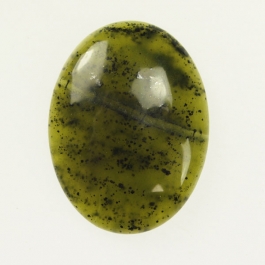 Gem Profile- Jade
 Gem Profile- Amazonite
 Gem Profile- Corundum
 Gem Profile- Quartz with Inclusions Part 1
 Gem Profile- Quartz with Inclusions Part 2
 Gem Profile- Aventurine
 Gem Profile- Macrocrystalline Quartz
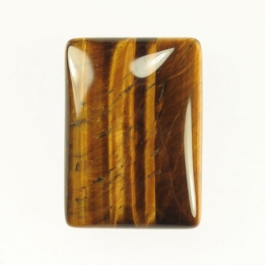 Gem Profile- Tiger Eye
 Gem Profile- Fire Agate and Iris Agate
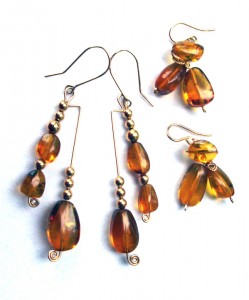 Gem Profile- Amber
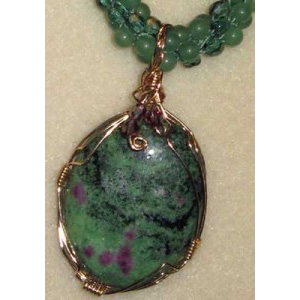 Gem Profile- Ruby Zoisite
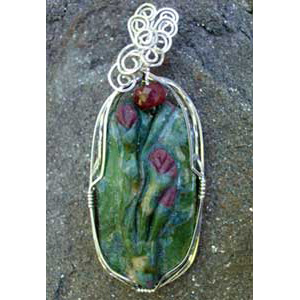 Gem Profile- Ruby Fuchsite
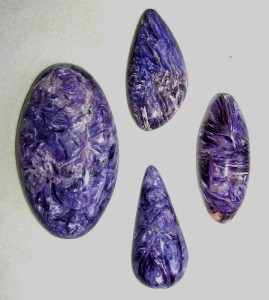 Gem Profile- Charoite
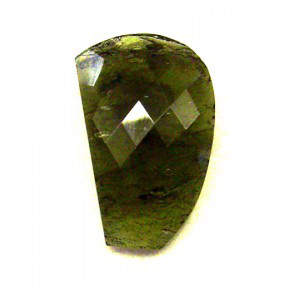 Gem Profile- Moldavite
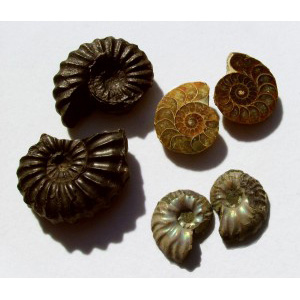 Gem Profile- Ammolite
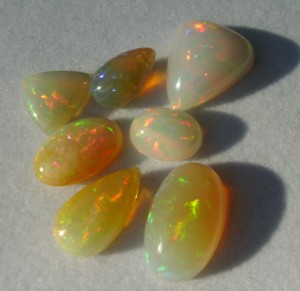 Gem Profile- White Precious Opal
 Gem Profile- Opalized Fossils
 Gem Profile- Boulder Opal
 Gem Profile- Black Precious Opal
 Gem Profile- Pyrite
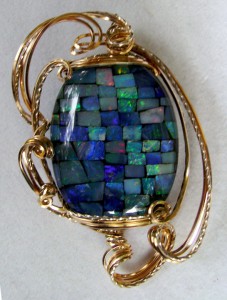 Gem Profile- Opal Introduction
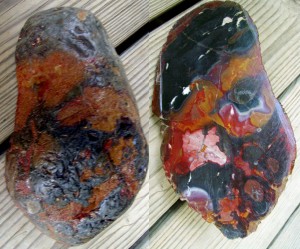 Gem Profile- Beautifully Colored Jasper
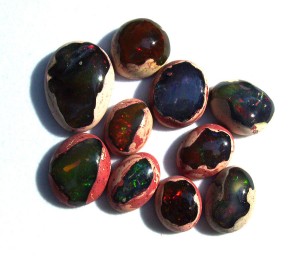 Gem Profile- Common Opal
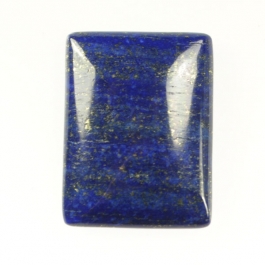 Gem Profile- Lapis Lazuli
 Wire Sculpture Expert Dale -Cougar- Armstrong Interview

The premier place for all your jewelry making needs. The best in wire, tools, cabochons, gemstone beads and more. As well as a superior resource for educational support to help build your jewelry making skills and techniques.
Connect With Us

® 2007 - 2026 Wirejewelry.com Powered by ClaimTheWeb Cart