



Gem profile- Paua and Abalone
Ah, spring! My tulips and daffodils are starting to come up and the air has that warmth to it that is a welcome change from the winter cold. Now I just have to start worrying about snails coming out to eat the garden. Speaking of snails, I think we will start this week`s Gem Profile on Cephalopods and the Mother of Pearl that comes from them.
Nautilus, Abalone, Paua, & Pinctada Maxima:

Cephalopods: Nautilus and Ammonites
Cephalopods like octopuses, squid, and cuttlefish lack shells and cannot produce mother-of-pearl (MOP).
The Nautilus, however, has a smooth, iridescent inner shell used for white MOP watch faces.
Cephalopods like octopuses, squid, and cuttlefish lack shells and cannot produce mother-of-pearl (MOP).
The Nautilus, however, has a smooth, iridescent inner shell used for white MOP watch faces.

Nautiluses live in warm waters of the southwest Pacific, Indian Ocean, and near Australia.
Their spiral shells have gas-filled pockets for buoyancy.
They swim by jet propulsion, eat crustaceans, and though not visually striking
provide beautiful shell material, while their fossilized ancestors are valued for opalescence.
Their spiral shells have gas-filled pockets for buoyancy.
They swim by jet propulsion, eat crustaceans, and though not visually striking
provide beautiful shell material, while their fossilized ancestors are valued for opalescence.

Bivalves: Mussels, Pinctada Maxima, and Oysters
Bivalves clams, mussels, oysters, and scallops have two shells hinged on one side.
While scallops swim and aren't used for MOP, oysters and mussels provide the shell material commonly used in jewelry.
While scallops swim and aren't used for MOP, oysters and mussels provide the shell material commonly used in jewelry.

Oysters provide both pearls and mother-of-pearl (MOP) for jewelry.
Pinctada maxima, the source of South Sea pearls, produces large pearls and MOP that match the pearl's color.
Mussels also produce freshwater pearls and MOP.
Pinctada maxima, the source of South Sea pearls, produces large pearls and MOP that match the pearl's color.
Mussels also produce freshwater pearls and MOP.

What a way to recycle! The food industry uses the meat of oysters and mussels, then passes the shells on to jewelers for MOP inlays, jewelry, and other decorative items.
Shells from bivalves are also used as dietary supplements for poultry and as calcium supplements for humans.
Crushed shells can remove heavy metals from water in places like the Persian Gulf.
Live oysters and mussels can act as biofilters in some areas, helping clean the environment naturally.
Shells from bivalves are also used as dietary supplements for poultry and as calcium supplements for humans.
Crushed shells can remove heavy metals from water in places like the Persian Gulf.
Live oysters and mussels can act as biofilters in some areas, helping clean the environment naturally.

These shells are also a symbol of St. James. According to Roman myth, Venus, the goddess of love, was born from the shell of a bivalve.
In my garden, I have a birdbath shaped like a clam and have used shells on several stepping stones around my yard.
Look around, and you will find the bivalve in many symbols we see every day.
In my garden, I have a birdbath shaped like a clam and have used shells on several stepping stones around my yard.
Look around, and you will find the bivalve in many symbols we see every day.

Gastropods: Paua and Abalone Shells
Now we get to the gastropods, or gastropoda mollusks. Gastropods are the scientific name for snails and slugs.
I know, I hate them too; they eat my garden and are generally icky, although escargot is not bad.
Gastropods are recognized by a foot that reaches out of their shell, which they use to cling to rocks and surfaces.
Gastropods, as icky as they are, include a huge number of species, second only to insects in number.
For this conversation, we will be focusing mostly on abalone.
I know, I hate them too; they eat my garden and are generally icky, although escargot is not bad.
Gastropods are recognized by a foot that reaches out of their shell, which they use to cling to rocks and surfaces.
Gastropods, as icky as they are, include a huge number of species, second only to insects in number.
For this conversation, we will be focusing mostly on abalone.

Abalone names the genus Haliotis species. Paua (pronounced pow-a) is the Maori name for this large edible sea snail from New Zealand's rocky coasts.
In the US and Australia, they're called abalone. The UK calls them ormer shells. They cling to rocks in shallow waters worldwide and eat seaweed.
Paua grow large with strict harvest rules. In New Zealand, free dive only, limited numbers. California bans poaching.
New Zealand farms paua too.
In the US and Australia, they're called abalone. The UK calls them ormer shells. They cling to rocks in shallow waters worldwide and eat seaweed.
Paua grow large with strict harvest rules. In New Zealand, free dive only, limited numbers. California bans poaching.
New Zealand farms paua too.

Paua farmers raise mollusks for meat and shells. They export mainly to the US and Asia. Farming costs more due to the animals' size and activity.
It prevents overfishing and yields higher quality.
Paua shells suit jewelry making. Dye them in rainbow colors. Nacre adds iridescence.
Historically, used in rites worldwide, like Native American ceremonies and Maori masks.
It prevents overfishing and yields higher quality.
Paua shells suit jewelry making. Dye them in rainbow colors. Nacre adds iridescence.
Historically, used in rites worldwide, like Native American ceremonies and Maori masks.

Paua shells, known for their banded rainbow colors, can also produce pearls.
Paua pearls, or blue pearls, form when a small irritant, like a grain of sand, gets between the mollusk and its shell.
Similar to a mabe pearl (a half-round pearl), the blue pearl shows the iridescence of the paua MOP and is highly prized for its beauty.
Blue pearl production is carefully controlled on paua farms to avoid stressing the animal and to maximize the pearl's beauty.
Paua pearls, or blue pearls, form when a small irritant, like a grain of sand, gets between the mollusk and its shell.
Similar to a mabe pearl (a half-round pearl), the blue pearl shows the iridescence of the paua MOP and is highly prized for its beauty.
Blue pearl production is carefully controlled on paua farms to avoid stressing the animal and to maximize the pearl's beauty.

Materials

Wire

Beads

Cabochons
Tools

WireJewelry - Ultimate Wire-Pliers Jewelry Pliers with Case, Set of 5
G15-20
- G15-20
- Lesson Quantity: 1.00 pieces
- Purchase Quantity: 1.00 each
- Price: $170.72
- Gold Club Price: $128.04

Bench Tools
Supply Detail
loading...
Change Metal:
This Article requires:
Purchase quantity:
Price: $
Gold Club Price: $
Purchase quantity:
Price: $
Gold Club Price: $
- Category: General Education
- Technique(s): General Education
Other Articles by Judy Ellis
 About Jewelry Chain- About Ball Chain
 About Jewelry Chain- Snake Chain and Omega Chain
 About Jewelry Chain- Bar Chain and Peanut Chain
 About Jewelry Chain - Cable Chain and Rolo Chain
 About Jewelry Chain- Curb Chain and Gourmette Chain
 About Jewelry Chain- Figaro Chain
 About Jewelry Chain- Infinity Chain and Anchor Chain
 About Jewelry Chain- Chain Reference Sheet
 About Jewelry Chain- Venetian Chain and Box Chain
 About Jewelry Chain- Wheat Chain and Rope Chain
 Introduction to Chain
 Access More Money by Making Jewelry When Your Prices Are Right
 An Introduction to Beads and Beading
 Common Gemstone Misconceptions
 Wire Wrapped Christmas Tree
 How To Polish Metal Jewelry using a Rotary Tumbler
 How To Polish Your Own Rocks using a Rotary Rock Tumbler
 How to Merchandise Your Jewelry on the Internet
 How to Use Twitter as a Wire Jewelry Artist
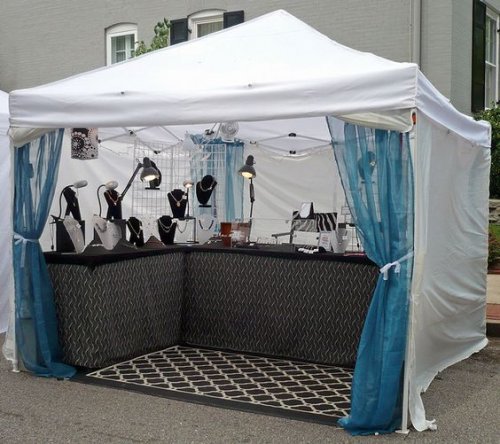 20 Ideas to get your Jewelry Biz Busy
 Watching the Precious Metals Market
 Jewelry Design Ideas - Get Inspired
 Measuring Tools
 July Birthstone - The Ruby
 February Birthstone- Amethyst
 March Birthstone - Aquamarine and Bloodstone
 September Birthstone - Sapphire
 November Birthstones - Topaz and Citrine
 October Birthstones - Rose Zircon, Pink Tourmaline and Opal
 April Birthstone - The Diamond
 August Birthstone - Peridot and Sardonyx
 June Birthstones - Alexandrite, Pearl and Moonstone
 Metalsmithing
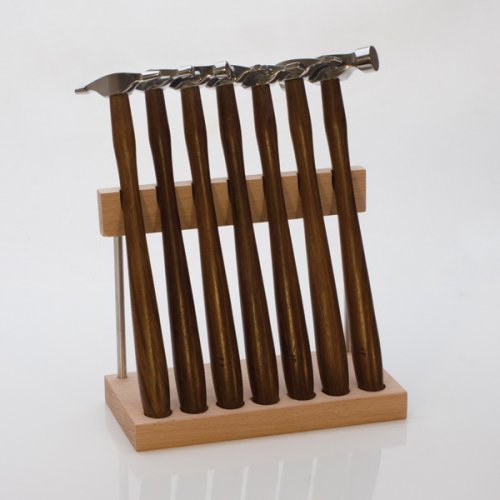 Featured Tool - Mini TruStrike Hammers
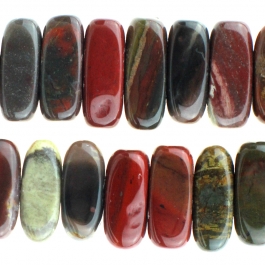 Natural Jasper Stones - Cabochon Gemstones
 Organize Your Jewelry Box
 Pearls- It's a Cultural Thing
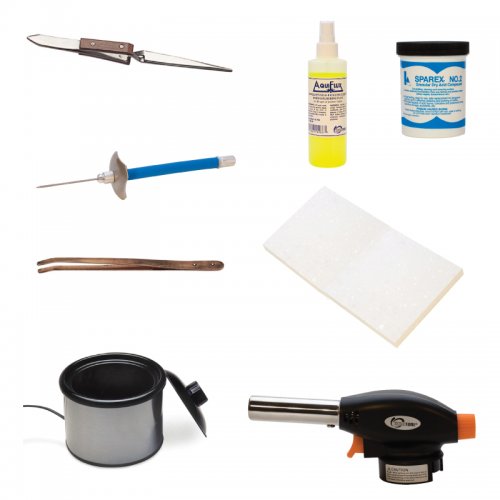 Soldering 101
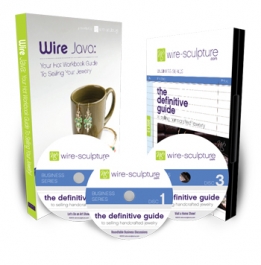 Starting Your Own Home Jewelry Business
 The Art of Creating Chainmail
 Why Should I Be Using Facebook
 Make Handmade Neck Cords on a Dime
 Tagging Handmade Jewelry Gifts
 Share Your Expertise with Your Community
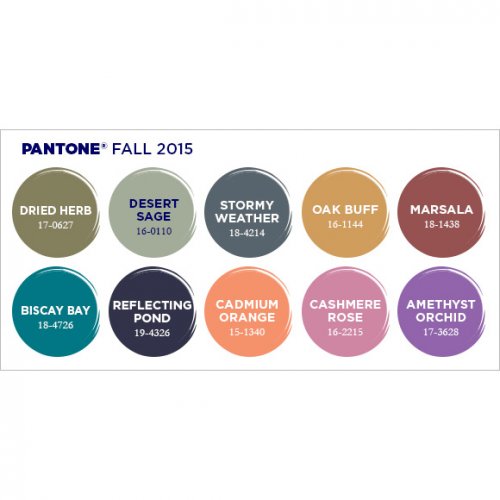 Creating Color Schemes for Jewelry Making
 Bronze, Brass, Nickel Silver and Copper Base Metals
 Gemstone Treatments
 How Wire is Made
 Beading A-B-C's
 How to Set Up Your Workspace
 Gem Profile- Diamond
 Gem Profile- Peridot
 Gem Profile- Goldstone
 Gem Profile- Cryptocrystalline Quartz Introduction
 Gem Profile- Banded Agate and Brecciated Agate
 Gem Profile- Emerald
 Gem Profile- Titanite or Sphene
 Gem Profile- Morganite
 Gem Profile- Desert Rose
 Gem Profile- Iolite
 Gem Profile- Zultanite
 Gem Profile- Maw Sit Sit
 Gem Profile- Tanzanite
 Gem Profile- Aquamarine
 Gem Profile- Turquoise
 Gem Profile- Turquoise Types
 Gem Profile- What's Druze
 Gem Profile- Basalt
 Gem Profile- Fordite
 Gem Profile- Variscite
 Gem Profile- Pearls
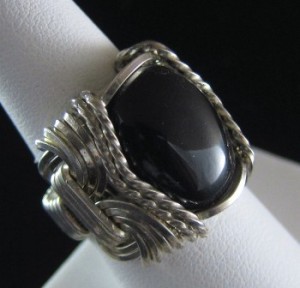 Gem Profile- Onyx
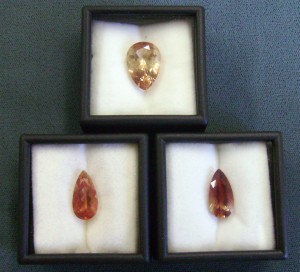 Gem Profile- Sunstone
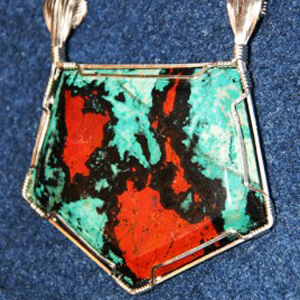 Gem Profile- Sonora Sunrise
 Gem Profile- Rhodonite
 Gem Profile- Glass, Crystal and Quartz
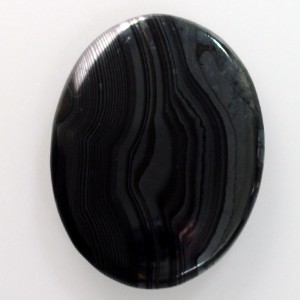 Gem Profile- Psilomelane
 Gem Profile- Fulgurite
 Gem Profile- Cat's Eye
 Gem Profile- Carnelian
 Gem Profile- Petoskey Stones and Indonesian Fossil Coral
 Gem Profile- Rutilated Quartz
 Gem Profile- Chrysocolla
 Gem Profile- Jet
 Gem Profile- Chrysoprase
 Gem Profile- Rhyolite
 Gem Profile- Chalcedony
 Gem Profile- Lepidolite and Sugilite
 Gem Profile- Unakite
 Gem Profile- Cowrie Shells, Conch Shells, and Drilling Shells
 Gem Profile- Mother of Pearl
 Gem Profile- Moss Agate and Plume Agate
 Gem Profile- Thundereggs and Mexican Lace Agate
 Gem Profile- Dumortierite
 Gem Profile- Apatite
 Gem Profile- Blue Topaz
 Gem Profile- Aragonite
 Gem Profile- Zircon and Cubic Zirconia
 Gem Profile- Topaz
 Gem Profile- Howlite
 Gem Profile- Sodalite
 Gem Profile- Magnesite
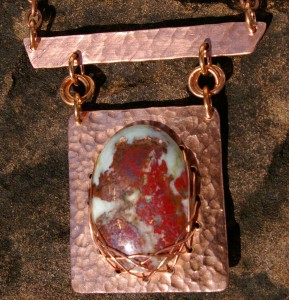 Gem Profile- Cuprite
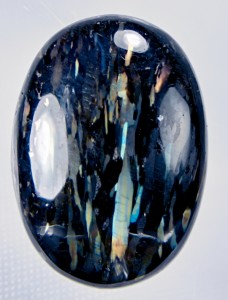 Gem Profile- Nuummite
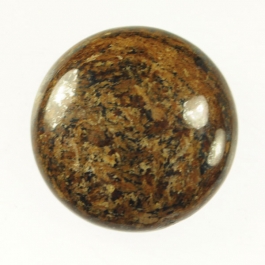 Gem Profile- Bronzite
 Gem Profile- Kyanite
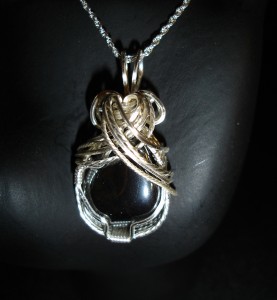 Gem Profile- Hematite
 Gem Profile- Derbyshire Blue John
 Gem Profile- Eilat Stone
 Gem Profile- Vesuvianite
 Gem Profile- Strontium Titanate -Fabulite
 Gem Profile- Tourmaline
 Gem Profile- Larimar
 Gem Profile- Garnet
 Gem Profile- Tsavorite and Green Garnets
 Gem Profile- Seraphinite
 Gem Profile- Serpentine
 American Wire Gauge
 Viking Knit and Spool Knit Chain
 Copper Roses
 How to Make Medical ID Bracelets Special
 Remembering the Fallen
 6 Ways to Find Your Uniqueness in Jewelry
 Gem Profile- Moissanite
 Birthstone Swarovski Colors
 Tips for Tucson Shopping- Gem Show Secrets
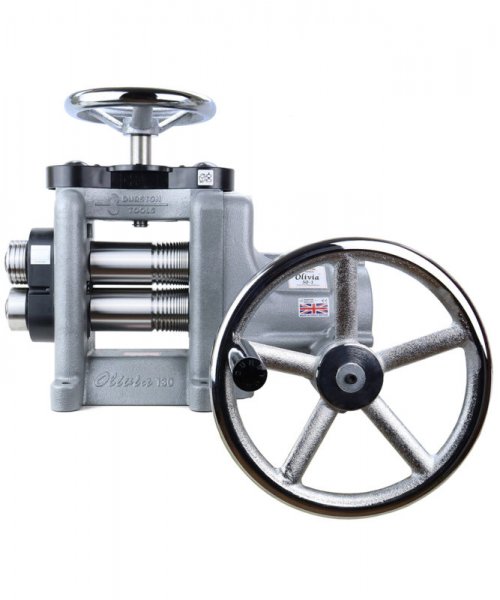 Durston Olivia Rolling Mills
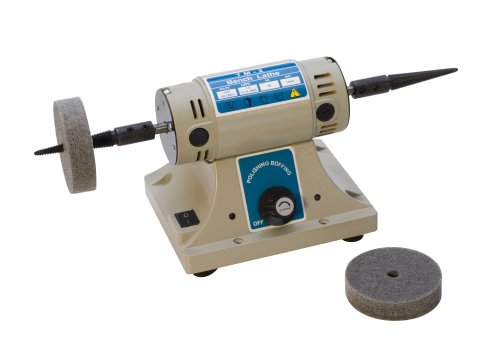 How to Use a Jewelry Bench Polisher Effectively
 5 Jewelry Patterns to Keep Summer Going
 Why Jewelry Makers Love Boho And Free-Form Designs
 5 Fall Leaf Jewelry Patterns to Capture the Colors of Autumn
 Bold Gemstone Wire Jewelry Tutorials for Beginners
 Why Remodeling Old Designs Saves You Money and Sparks Creativity
 Make Something Magical This Halloween Season
 Our Most-Loved Jewelry-Making Patterns of 2025
 Our Most-Loved Jewelry-Making Tips And Techniques of 2025

The premier place for all your jewelry making needs. The best in wire, tools, cabochons, gemstone beads and more. As well as a superior resource for educational support to help build your jewelry making skills and techniques.
Connect With Us

® 2007 - 2026 Wirejewelry.com Powered by ClaimTheWeb Cart