



Gem Profile- Zircon and Cubic Zirconia
Last week we explored space and some space-age technology a little with Moissanite so this week we decided to come back to earth and talk about Zircon (zer-kone). This little gem is often under-rated because it sounds so similar to the man-made Cubic Zirconia, a young trendsetter in the gem world. Zircon and CZs are related in only the sound of their names, and that they both have zirconium as one of the chemical compounds. Zircon, which is chemically considered zirconium silicate, is classified as a nesosilicate and has a 7.5 hardness on Moh's Scale.
Zircon's Colors and Properties
Most zircon crystals are small and make up a major component of sand.
When crystals are large enough, they become beautiful gemstones.
Clear zircon, known as Matura Diamond in the trade, has a high refractive index that rivals diamond. Some jewelers have even mistaken it for diamond.
Zircon also occurs in blue, brown, pink, yellow, and green. These colors develop naturally through radiation decay in the crystals.
Because blue and clear zircons are especially popular, some gem suppliers heat or treat other shades to enhance their clarity and color.
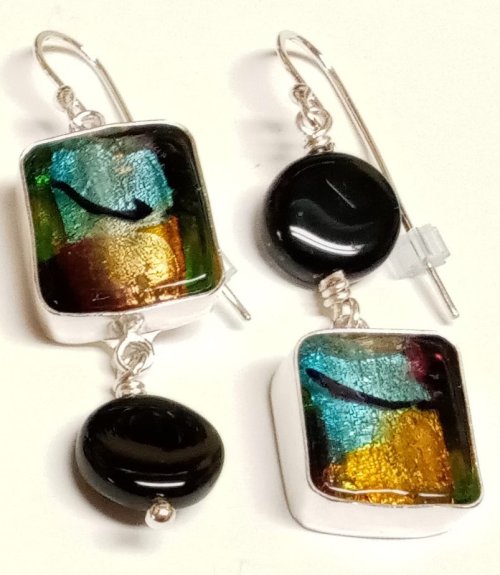
Peggy Marzano used Blue and White Zircon stones in these cast earrings.
Most zircon crystals are small and make up a major component of sand.
When crystals are large enough, they become beautiful gemstones.
Clear zircon, known as Matura Diamond in the trade, has a high refractive index that rivals diamond. Some jewelers have even mistaken it for diamond.
Zircon also occurs in blue, brown, pink, yellow, and green. These colors develop naturally through radiation decay in the crystals.
Because blue and clear zircons are especially popular, some gem suppliers heat or treat other shades to enhance their clarity and color.
Peggy Marzano used Blue and White Zircon stones in these cast earrings.

In the ancient world, zircon was called hyacinth, and some still use that name today. The colors associated with hyacinth include yellow, orange, and red.
So if someone shows you a hyacinth stone at a gem show, you now know it's a zircon.
Zircon isn't just a versatile gemstone; it also has fascinating geological properties.
It retains trace amounts of uranium, which decays at a known rate to lead.
Geologists use zircon crystals to date rocks by measuring the age of the zircon within a specimen.
This method is even more accurate than radiometric or carbon dating.
Using this technique, scientists discovered that the Jack Hills in Western Australia, which supply about 37% of the zircon on the market, are among the oldest minerals on Earth, dating nearly 4.4 billion years old.
So if someone shows you a hyacinth stone at a gem show, you now know it's a zircon.
Zircon isn't just a versatile gemstone; it also has fascinating geological properties.
It retains trace amounts of uranium, which decays at a known rate to lead.
Geologists use zircon crystals to date rocks by measuring the age of the zircon within a specimen.
This method is even more accurate than radiometric or carbon dating.
Using this technique, scientists discovered that the Jack Hills in Western Australia, which supply about 37% of the zircon on the market, are among the oldest minerals on Earth, dating nearly 4.4 billion years old.
Zircon in Culture
Zircon is generally regarded as a calming, peaceful stone.
It is said to promote inner peace, keep one centered, attract love, relieve stress, and clear the mind.
Colorless zircon was considered magical in ancient times. It was worn as a talisman for protection, healing injuries, and managing pain.
Zircon also appears in a Hindu poem about the Kalpa tree, where its leaves are described as zircon.
The stone is mentioned twice in the Bible: in the breastplate of Aaron in Exodus and as a foundation stone of Jerusalem in Revelation.
Depending on the translation, it may be called jacinth or hyacinth, alternate names for zircon referring to its color.
Zircon is generally regarded as a calming, peaceful stone.
It is said to promote inner peace, keep one centered, attract love, relieve stress, and clear the mind.
Colorless zircon was considered magical in ancient times. It was worn as a talisman for protection, healing injuries, and managing pain.
Zircon also appears in a Hindu poem about the Kalpa tree, where its leaves are described as zircon.
The stone is mentioned twice in the Bible: in the breastplate of Aaron in Exodus and as a foundation stone of Jerusalem in Revelation.
Depending on the translation, it may be called jacinth or hyacinth, alternate names for zircon referring to its color.
So What's Cubic Zirconia?
Some people confuse zircon with cubic zirconia, or CZ, but they are very different.
Cubic zirconia is a synthetic material often used as a diamond simulant.
It gets its name because it forms in cubic crystals of zirconium dioxide (ZrO2).
CZ stones are flawless, nearly as hard as diamond, and have similar fire and refraction.
Under UV light, a CZ will fluoresce, whereas a diamond will not.
Like moissanite, CZ is lab-created. Always remember, the correct term is cubic zirconia, not cubic zirconium.
Bess Walters wrapped this Alexandrite CZ stone in twisted silver-plated wire.
Some people confuse zircon with cubic zirconia, or CZ, but they are very different.
Cubic zirconia is a synthetic material often used as a diamond simulant.
It gets its name because it forms in cubic crystals of zirconium dioxide (ZrO2).
CZ stones are flawless, nearly as hard as diamond, and have similar fire and refraction.
Under UV light, a CZ will fluoresce, whereas a diamond will not.
Like moissanite, CZ is lab-created. Always remember, the correct term is cubic zirconia, not cubic zirconium.
Bess Walters wrapped this Alexandrite CZ stone in twisted silver-plated wire.

One note, for convenience here on Wirejewelry, we call CZs "stones" - as in, they are cut, lab-grown stones - but we try not to call them "gems," to avoid confusion with amethysts, topazes, and other naturally-grown gemstones. How you choose to describe them to your customers and friends is up to you!
CZs and Lasers: Gems Go High-Tech
Naturally occurring zirconium oxide, in the form of baddeleyite (BAD-y-lite), was discovered in 1892.
It was primarily used in the ceramics industry until lasers became important in the 1960s.
Lasers required inexpensive, single-crystal materials, prompting research in France and the former USSR to develop techniques for growing crystals.
Thirty years ago, laboratories produced about 50 million carats, or 22,000 pounds, of cubic zirconia annually imagine how many are made today for jewelry!
Cubic zirconia stones are valued not only for their hardness and perfection but also for the wide range of colors they can display.
Manufacturers create this rainbow of colors by adding specific coloring agents to the source material.
Much like flame tests in chemistry, the element added determines the final color of the crystal.
Blue Zircon-Colored Cubic Zirconia
Naturally occurring zirconium oxide, in the form of baddeleyite (BAD-y-lite), was discovered in 1892.
It was primarily used in the ceramics industry until lasers became important in the 1960s.
Lasers required inexpensive, single-crystal materials, prompting research in France and the former USSR to develop techniques for growing crystals.
Thirty years ago, laboratories produced about 50 million carats, or 22,000 pounds, of cubic zirconia annually imagine how many are made today for jewelry!
Cubic zirconia stones are valued not only for their hardness and perfection but also for the wide range of colors they can display.
Manufacturers create this rainbow of colors by adding specific coloring agents to the source material.
Much like flame tests in chemistry, the element added determines the final color of the crystal.
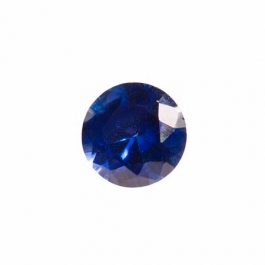
Blue Zircon-Colored Cubic Zirconia

Cubic Zirconia and the Metaphysical
Do cubic zirconia stones have metaphysical properties? Some sources suggest using CZ in meditation by focusing on the fire within the stone.
Others report using it for muscle fatigue relief and Reiki healing.
Most sites, however, classify clear CZ as neutral since it is man-made, with only trace energy coming from colored CZ depending on the minerals used.
Next time you see a fiery stone labeled zircon, don't confuse it with cubic zirconia.
They may sound similar, but they are very different in origin and creation.
Do cubic zirconia stones have metaphysical properties? Some sources suggest using CZ in meditation by focusing on the fire within the stone.
Others report using it for muscle fatigue relief and Reiki healing.
Most sites, however, classify clear CZ as neutral since it is man-made, with only trace energy coming from colored CZ depending on the minerals used.
Next time you see a fiery stone labeled zircon, don't confuse it with cubic zirconia.
They may sound similar, but they are very different in origin and creation.
Resources & Recommended Reading
Zircon and Hyacinth by Kunz on http://farlang.com
Zircon Gemstone on www.minerals.net
Zircon www.minerals.net
Mindat.org
Zircon on Wikipedia
Cubic Zirconia and Metaphysics on halfnotes.wordpress.com
Cubic Zirconia or Cubic Zirconium? on www.thoughtco.com
Cubic Zirconia on Wikipedia
Synthetic Cubic Zirconia on www.gemologyproject.com
Zircon and Hyacinth by Kunz on http://farlang.com
Zircon Gemstone on www.minerals.net
Zircon www.minerals.net
Mindat.org
Zircon on Wikipedia
Cubic Zirconia and Metaphysics on halfnotes.wordpress.com
Cubic Zirconia or Cubic Zirconium? on www.thoughtco.com
Cubic Zirconia on Wikipedia
Synthetic Cubic Zirconia on www.gemologyproject.com
Materials

Wire

Cubic Zirconia

Beads

Cabochons
Tools

WireJewelry - Ultimate Wire-Pliers Jewelry Pliers with Case, Set of 5
G15-20
- G15-20
- Lesson Quantity: 1.00 pieces
- Purchase Quantity: 1.00 each
- Price: $170.72
- Gold Club Price: $128.04

Bench Tools
Supply Detail
loading...
Change Metal:
This Article requires:
Purchase quantity:
Price: $
Gold Club Price: $
Purchase quantity:
Price: $
Gold Club Price: $
- Category: General Education
- Technique(s): General Education
Other Articles by Judy Ellis
 About Jewelry Chain- About Ball Chain
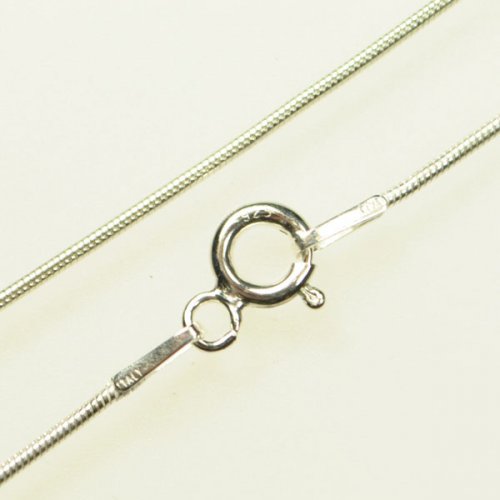 About Jewelry Chain- Snake Chain and Omega Chain
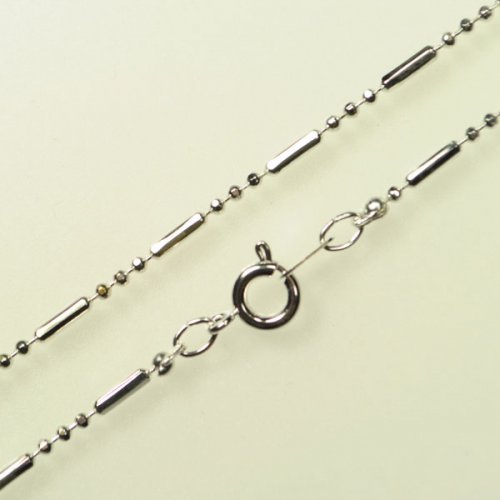 About Jewelry Chain- Bar Chain and Peanut Chain
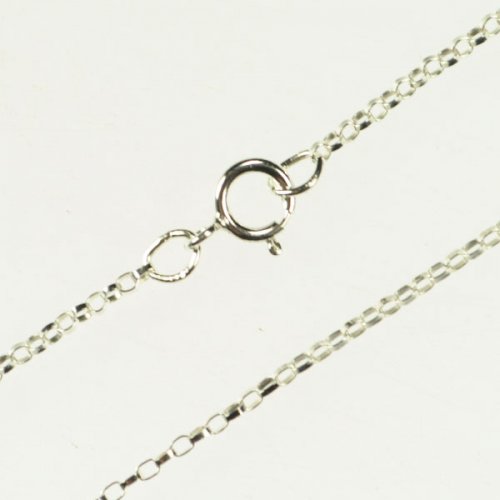 About Jewelry Chain - Cable Chain and Rolo Chain
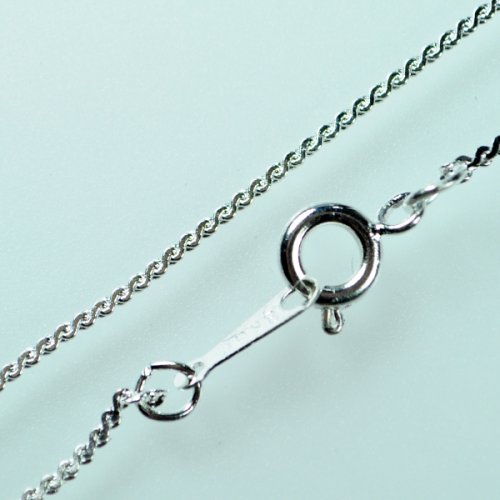 About Jewelry Chain- Curb Chain and Gourmette Chain
 About Jewelry Chain- Figaro Chain
 About Jewelry Chain- Infinity Chain and Anchor Chain
 About Jewelry Chain- Chain Reference Sheet
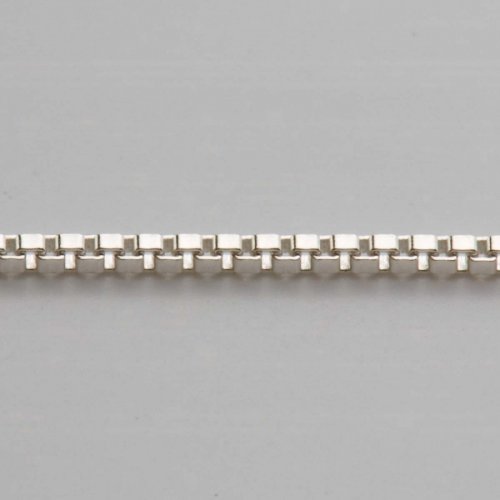 About Jewelry Chain- Venetian Chain and Box Chain
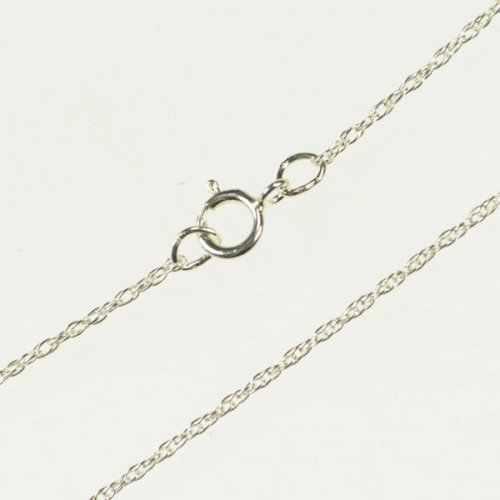 About Jewelry Chain- Wheat Chain and Rope Chain
 Introduction to Chain
 Access More Money by Making Jewelry When Your Prices Are Right
 An Introduction to Beads and Beading
 Common Gemstone Misconceptions
 Wire Wrapped Christmas Tree
 How To Polish Metal Jewelry using a Rotary Tumbler
 How To Polish Your Own Rocks using a Rotary Rock Tumbler
 How to Merchandise Your Jewelry on the Internet
 How to Use Twitter as a Wire Jewelry Artist
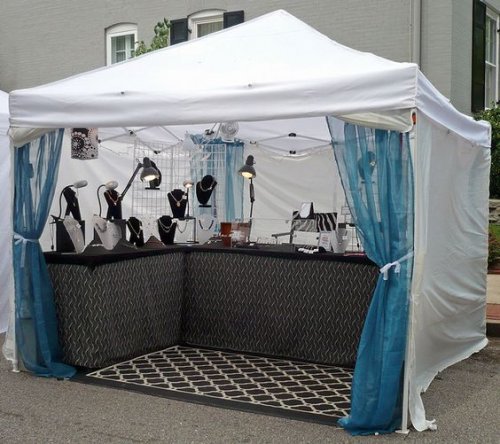 20 Ideas to get your Jewelry Biz Busy
 Watching the Precious Metals Market
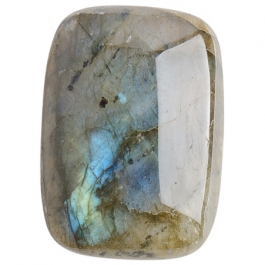 Jewelry Design Ideas - Get Inspired
 Measuring Tools
 July Birthstone - The Ruby
 February Birthstone- Amethyst
 March Birthstone - Aquamarine and Bloodstone
 September Birthstone - Sapphire
 November Birthstones - Topaz and Citrine
 October Birthstones - Rose Zircon, Pink Tourmaline and Opal
 April Birthstone - The Diamond
 August Birthstone - Peridot and Sardonyx
 June Birthstones - Alexandrite, Pearl and Moonstone
 Metalsmithing
 Featured Tool - Mini TruStrike Hammers
 Natural Jasper Stones - Cabochon Gemstones
 Organize Your Jewelry Box
 Pearls- It's a Cultural Thing
 Soldering 101
 Starting Your Own Home Jewelry Business
 The Art of Creating Chainmail
 Why Should I Be Using Facebook
 Make Handmade Neck Cords on a Dime
 Tagging Handmade Jewelry Gifts
 Share Your Expertise with Your Community
 Creating Color Schemes for Jewelry Making
 Bronze, Brass, Nickel Silver and Copper Base Metals
 Gemstone Treatments
 How Wire is Made
 Beading A-B-C's
 How to Set Up Your Workspace
 Gem Profile- Diamond
 Gem Profile- Peridot
 Gem Profile- Goldstone
 Gem Profile- Cryptocrystalline Quartz Introduction
 Gem Profile- Banded Agate and Brecciated Agate
 Gem Profile- Emerald
 Gem Profile- Titanite or Sphene
 Gem Profile- Morganite
 Gem Profile- Desert Rose
 Gem Profile- Iolite
 Gem Profile- Zultanite
 Gem Profile- Maw Sit Sit
 Gem Profile- Tanzanite
 Gem Profile- Aquamarine
 Gem Profile- Turquoise
 Gem Profile- Turquoise Types
 Gem Profile- What's Druze
 Gem Profile- Basalt
 Gem Profile- Fordite
 Gem Profile- Variscite
 Gem Profile- Pearls
 Gem Profile- Onyx
 Gem Profile- Sunstone
 Gem Profile- Sonora Sunrise
 Gem Profile- Rhodonite
 Gem Profile- Glass, Crystal and Quartz
 Gem Profile- Psilomelane
 Gem Profile- Fulgurite
 Gem Profile- Cat's Eye
 Gem Profile- Carnelian
 Gem Profile- Petoskey Stones and Indonesian Fossil Coral
 Gem Profile- Rutilated Quartz
 Gem Profile- Chrysocolla
 Gem Profile- Jet
 Gem Profile- Chrysoprase
 Gem Profile- Rhyolite
 Gem Profile- Chalcedony
 Gem Profile- Lepidolite and Sugilite
 Gem Profile- Unakite
 Gem Profile- Cowrie Shells, Conch Shells, and Drilling Shells
 Gem Profile- Mother of Pearl
 Gem Profile- Moss Agate and Plume Agate
 Gem Profile- Thundereggs and Mexican Lace Agate
 Gem Profile- Dumortierite
 Gem Profile- Apatite
 Gem Profile- Blue Topaz
 Gem Profile- Aragonite
 Gem Profile- Topaz
 Gem Profile- Howlite
 Gem Profile- Sodalite
 Gem Profile- Magnesite
 Gem Profile- Cuprite
 Gem Profile- Nuummite
 Gem Profile- Bronzite
 Gem Profile- Kyanite
 Gem Profile- Hematite
 Gem Profile- Derbyshire Blue John
 Gem Profile- Eilat Stone
 Gem Profile- Vesuvianite
 Gem Profile- Strontium Titanate -Fabulite
 Gem Profile- Tourmaline
 Gem Profile- Larimar
 Gem Profile- Garnet
 Gem Profile- Tsavorite and Green Garnets
 Gem Profile- Seraphinite
 Gem Profile- Serpentine
 American Wire Gauge
 Viking Knit and Spool Knit Chain
 Copper Roses
 How to Make Medical ID Bracelets Special
 Remembering the Fallen
 6 Ways to Find Your Uniqueness in Jewelry
 Gem Profile- Moissanite
 Birthstone Swarovski Colors
 Gem profile- Paua and Abalone
 Tips for Tucson Shopping- Gem Show Secrets
 Durston Olivia Rolling Mills
 How to Use a Jewelry Bench Polisher Effectively
 5 Jewelry Patterns to Keep Summer Going
 Why Jewelry Makers Love Boho And Free-Form Designs
 5 Fall Leaf Jewelry Patterns to Capture the Colors of Autumn
 Bold Gemstone Wire Jewelry Tutorials for Beginners
 Why Remodeling Old Designs Saves You Money and Sparks Creativity
 Make Something Magical This Halloween Season
 Our Most-Loved Jewelry-Making Patterns of 2025
 Our Most-Loved Jewelry-Making Tips And Techniques of 2025

The premier place for all your jewelry making needs. The best in wire, tools, cabochons, gemstone beads and more. As well as a superior resource for educational support to help build your jewelry making skills and techniques.
Connect With Us

® 2007 - 2026 Wirejewelry.com Powered by ClaimTheWeb Cart