




Gem Profile- Pearls
Pearls - Creation, Cultivation and Care
Saltwater and Freshwater
Just recently we talked about Mother of Pearl and the different types of mollusks or invertebrates we use for Mother of Pearl. Last year about this time Rose also wrote an article on the historical uses and value of Pearls. This week, we'll go a little deeper into the world of pearls and talk more about their creation, cultivation and care.
Saltwater and Freshwater
Just recently we talked about Mother of Pearl and the different types of mollusks or invertebrates we use for Mother of Pearl. Last year about this time Rose also wrote an article on the historical uses and value of Pearls. This week, we'll go a little deeper into the world of pearls and talk more about their creation, cultivation and care.
What are Pearls?
In nature, pearls are created very rarely. They form when a foreign object enters a mussel or oyster, causing the animal to coat it with nacre.
Humans have cultivated pearls on farms to replicate this process. These farms are located in saltwater bays, where oysters are suspended on ropes beneath floating docks. Water temperature is constantly monitored, and oysters are raised or lowered to maintain optimal conditions.
The oysters are fed a precise mixture of algae and nutrients to stay healthy. Once a year, they are removed, their shells cleaned and treated with an anti-fungal solution, and then returned to the water to continue growing.
Pictured: A pearl being extracted from an Akoya pearl oyster.
In nature, pearls are created very rarely. They form when a foreign object enters a mussel or oyster, causing the animal to coat it with nacre.
Humans have cultivated pearls on farms to replicate this process. These farms are located in saltwater bays, where oysters are suspended on ropes beneath floating docks. Water temperature is constantly monitored, and oysters are raised or lowered to maintain optimal conditions.
The oysters are fed a precise mixture of algae and nutrients to stay healthy. Once a year, they are removed, their shells cleaned and treated with an anti-fungal solution, and then returned to the water to continue growing.
Pictured: A pearl being extracted from an Akoya pearl oyster.

Cultivation:
Millions of oysters are nucleated every year with surgical-like precision, but only a small percentage actually create a pearl with many succumbing to disease or environmental problems like red tide, or too much freshwater being trapped in the bays.
It takes between 10 - 18 months to develop a pearl, the longer the oyster is left in the water, the larger the pearl becomes.
Each year only about 20% of the oysters actually create pearls suitable for market.
Today there are nearly 2000 oyster farms in Japan creating these beautiful gems using the method developed over 100 years ago.
Pictured: Pearl Nuclei from Toba Pearl Island, Japan
Millions of oysters are nucleated every year with surgical-like precision, but only a small percentage actually create a pearl with many succumbing to disease or environmental problems like red tide, or too much freshwater being trapped in the bays.
It takes between 10 - 18 months to develop a pearl, the longer the oyster is left in the water, the larger the pearl becomes.
Each year only about 20% of the oysters actually create pearls suitable for market.
Today there are nearly 2000 oyster farms in Japan creating these beautiful gems using the method developed over 100 years ago.
Pictured: Pearl Nuclei from Toba Pearl Island, Japan

Saltwater Pearls:
South Seas Pearls are a type of saltwater pearl produced by the white-lipped Pinctada maxima oyster. They grow over 2-3 years and are exceptionally beautiful and rare.
The Pinctada maxima is a wild oyster collected by divers at depths ranging from 10 to 80 meters. In places like the Philippines, some divers free dive without equipment to harvest mature oysters.
Once healthy oysters are found, they are isolated in bays, nucleated, and returned to the bay floor to grow. After several months, the oysters are X-rayed to ensure the nucleus has not been rejected.
If the nucleus is intact, the oyster continues to grow the pearl for 2-3 years. After harvesting, a new nucleus can be inserted, and healthy Pinctada maxima can be nucleated up to four times during their lifespan.
Pictured: Pinctada maxima oyster
South Seas Pearls are a type of saltwater pearl produced by the white-lipped Pinctada maxima oyster. They grow over 2-3 years and are exceptionally beautiful and rare.
The Pinctada maxima is a wild oyster collected by divers at depths ranging from 10 to 80 meters. In places like the Philippines, some divers free dive without equipment to harvest mature oysters.
Once healthy oysters are found, they are isolated in bays, nucleated, and returned to the bay floor to grow. After several months, the oysters are X-rayed to ensure the nucleus has not been rejected.
If the nucleus is intact, the oyster continues to grow the pearl for 2-3 years. After harvesting, a new nucleus can be inserted, and healthy Pinctada maxima can be nucleated up to four times during their lifespan.
Pictured: Pinctada maxima oyster

Another type of pearl is the Tahitian pearl, produced by the black-lipped Pinctada margaritifera.
These oysters are large almost twice the size of those used in Japan-and create dark-colored pearls often called "black pearls," with an almost metallic luster.
Tahitian oysters are raised on farms from youth to maturity and are cultured in the same manner as South Seas pearls.
Ring of Tahitian Pearl and A black pearl and a shell of the black-lipped pearl oyster. The iridescent colors originate from nacre layers.
These oysters are large almost twice the size of those used in Japan-and create dark-colored pearls often called "black pearls," with an almost metallic luster.
Tahitian oysters are raised on farms from youth to maturity and are cultured in the same manner as South Seas pearls.
Ring of Tahitian Pearl and A black pearl and a shell of the black-lipped pearl oyster. The iridescent colors originate from nacre layers.


Freshwater Pearls:
Freshwater pearls are cultivated similarly to saltwater pearls, but using freshwater mussels instead of oysters.
Archaeological sites throughout the Mississippi River basin and the Eastern United States show that native inhabitants valued pearls for adornment and trade.
Explorer Hernando De Soto recorded in the 1540s that Native Americans wore pearls "as big as filberts." In 1857, the "queen pearl," a large, perfectly round pink freshwater pearl from New Jersey, was discovered and eventually sold to the Empress of France.
Over the following decades, freshwater pearls were heavily harvested, nearly decimating mussel populations in North American rivers and lakes.
A lovely bracelet made by Robin Pacey with freshwater potato pearls with tiny peridot coin beads. Photo courtesy of Robin Pacey.
Freshwater pearls are cultivated similarly to saltwater pearls, but using freshwater mussels instead of oysters.
Archaeological sites throughout the Mississippi River basin and the Eastern United States show that native inhabitants valued pearls for adornment and trade.
Explorer Hernando De Soto recorded in the 1540s that Native Americans wore pearls "as big as filberts." In 1857, the "queen pearl," a large, perfectly round pink freshwater pearl from New Jersey, was discovered and eventually sold to the Empress of France.
Over the following decades, freshwater pearls were heavily harvested, nearly decimating mussel populations in North American rivers and lakes.
A lovely bracelet made by Robin Pacey with freshwater potato pearls with tiny peridot coin beads. Photo courtesy of Robin Pacey.

The best of both worlds:
Much of the original freshwater pearl production took place in the United States and Scotland.
However, when Kokichi Mikimoto began experimenting with nucleation, production shifted to Japan, particularly Lake Biwa.
Through trial and error, Mikimoto discovered that the best material for nucleating saltwater pearls is a piece of freshwater mussel shell, with the finest mussels coming from North America.
Today, over 30 farms across various North American states produce freshwater pearls and shells for saltwater pearl nucleation.
The first farm, Latendresse in Tennessee, started operations in the 1960s.
This means that many South Seas or Asian saltwater pearls you see today contain a piece of North America inside them.
Wire wrapped necklace by Ruth Soucek with freshwater pearls. Photo courtesy of Ruth Soucek.
Much of the original freshwater pearl production took place in the United States and Scotland.
However, when Kokichi Mikimoto began experimenting with nucleation, production shifted to Japan, particularly Lake Biwa.
Through trial and error, Mikimoto discovered that the best material for nucleating saltwater pearls is a piece of freshwater mussel shell, with the finest mussels coming from North America.
Today, over 30 farms across various North American states produce freshwater pearls and shells for saltwater pearl nucleation.
The first farm, Latendresse in Tennessee, started operations in the 1960s.
This means that many South Seas or Asian saltwater pearls you see today contain a piece of North America inside them.
Wire wrapped necklace by Ruth Soucek with freshwater pearls. Photo courtesy of Ruth Soucek.

Handle with care:
Pearls are beautiful but delicate. Oils and acids from our skin can degrade pearls, affecting their luster and shape over time.
After wearing pearls, wipe them with a soft cloth to remove oils and dirt.
Never wear pearls while exercising, and always store them in a pouch or jewelry box
do not hang them.
When washing pearls, use only mild soap and a soft cloth to dry them. Do not wear pearls until the thread is completely dry.
Never clean pearls with ammonia, vinegar, ultrasonic or steam cleaners, or abrasive tools like toothbrushes.
Remove pearls before applying makeup, hairspray, or perfume, as acids can damage them.
If you wear pearls often, have them restrung approximately every year.
Pearls are beautiful but delicate. Oils and acids from our skin can degrade pearls, affecting their luster and shape over time.
After wearing pearls, wipe them with a soft cloth to remove oils and dirt.
Never wear pearls while exercising, and always store them in a pouch or jewelry box
do not hang them.
When washing pearls, use only mild soap and a soft cloth to dry them. Do not wear pearls until the thread is completely dry.
Never clean pearls with ammonia, vinegar, ultrasonic or steam cleaners, or abrasive tools like toothbrushes.
Remove pearls before applying makeup, hairspray, or perfume, as acids can damage them.
If you wear pearls often, have them restrung approximately every year.
Tying it all together!
Pearls have been valued throughout history for their beauty and rarity.
Cleopatra was said to have won a bet with Mark Antony by dissolving a pearl in wine and drinking it, showing she could consume the wealth of an entire nation in one meal.
Pearls have been found in ancient burial sites and were even worn into battle by knights who believed they offered protection.
European expansion into the Americas was fueled in part by the pursuit of pearls, nearly driving the American saltwater pearl oyster to extinction.
For nearly 200 years, pearls were reserved for royalty, the wealthy, or the famous.
In 1916, Jacques Cartier purchased property in New York City with two strands of pearls. Today, pearls are accessible to a wider range of people, thanks largely to the cultivation of pearl oysters.
Pearls available at Wirejewelry.com
Pearls have been valued throughout history for their beauty and rarity.
Cleopatra was said to have won a bet with Mark Antony by dissolving a pearl in wine and drinking it, showing she could consume the wealth of an entire nation in one meal.
Pearls have been found in ancient burial sites and were even worn into battle by knights who believed they offered protection.
European expansion into the Americas was fueled in part by the pursuit of pearls, nearly driving the American saltwater pearl oyster to extinction.
For nearly 200 years, pearls were reserved for royalty, the wealthy, or the famous.
In 1916, Jacques Cartier purchased property in New York City with two strands of pearls. Today, pearls are accessible to a wider range of people, thanks largely to the cultivation of pearl oysters.
Pearls available at Wirejewelry.com

Resources & Recommended Reading
What is a Mollusk? on https://molluskconservation.org
More history about Pearls on https://minerals.usgs.gov
What is a Mollusk? on https://molluskconservation.org
More history about Pearls on https://minerals.usgs.gov
Materials

Wire

Pearls

6-7mm Large Hole (1.2mm) Natural Double Shine Fresh Water Pearls - Pack of 20
A8-06
- Lesson Quantity: 1.00 pieces
- Purchase Quantity: 1.00 each
- Price: $15.37
- Gold Club Price: $11.53

Sterling Silver Chain w/ Pearls Silver Grey 8-8.5mm - 5 Feet
C8-195U
- Lesson Quantity: 1.00 pieces
- Purchase Quantity: 1.00 each
- Price: $102.47
- Gold Club Price: $76.85

Blue Mabe Pearl 9 to 11mm - Pack of 1
A8-911B
- Lesson Quantity: 1.00 pieces
- Purchase Quantity: 1.00 each
- Price: $6.47
- Gold Club Price: $4.85

Pink Mabe Pearl 12 to 14mm - Pack of 1
A8-1214P
- Lesson Quantity: 1.00 pieces
- Purchase Quantity: 1.00 each
- Price: $8.87
- Gold Club Price: $6.65

White Mabe Pearl 12 to 13mm - Pack of 1
A8-1213AW
- Lesson Quantity: 1.00 pieces
- Purchase Quantity: 1.00 each
- Price: $17.97
- Gold Club Price: $13.48
Tools

Beadalon Knotter Tool
G16-100
- G16-100
- Lesson Quantity: 1.00 pieces
- Purchase Quantity: 1.00 each
- Price: $28.95
- Gold Club Price: $21.71

WireJewelry - Ultimate Wire-Pliers Jewelry Pliers with Case, Set of 5
G15-20
- G15-20
- Lesson Quantity: 1.00 pieces
- Purchase Quantity: 1.00 each
- Price: $170.72
- Gold Club Price: $128.04

Bench Tools
Supply Detail
loading...
Change Metal:
This Article requires:
Purchase quantity:
Price: $
Gold Club Price: $
Purchase quantity:
Price: $
Gold Club Price: $
- Category: General Education
- Technique(s): General Education
Other Articles by Judy Ellis
 About Jewelry Chain- About Ball Chain
 About Jewelry Chain- Snake Chain and Omega Chain
 About Jewelry Chain- Bar Chain and Peanut Chain
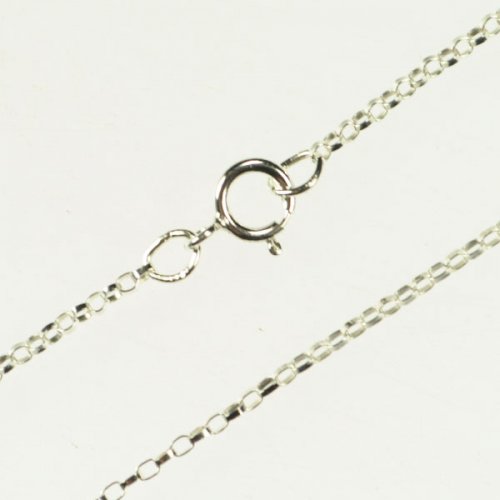 About Jewelry Chain - Cable Chain and Rolo Chain
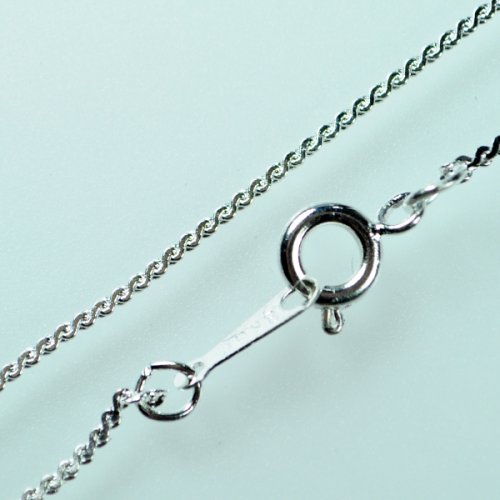 About Jewelry Chain- Curb Chain and Gourmette Chain
 About Jewelry Chain- Figaro Chain
 About Jewelry Chain- Infinity Chain and Anchor Chain
 About Jewelry Chain- Chain Reference Sheet
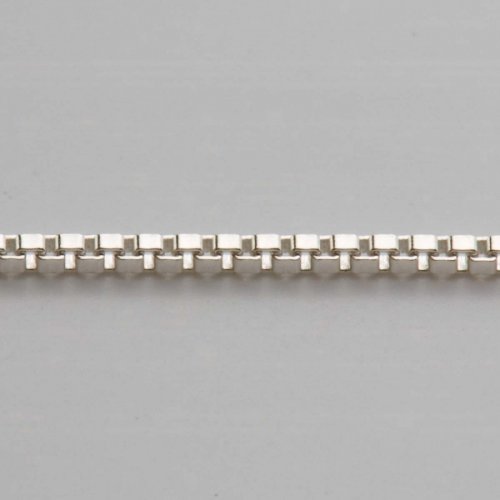 About Jewelry Chain- Venetian Chain and Box Chain
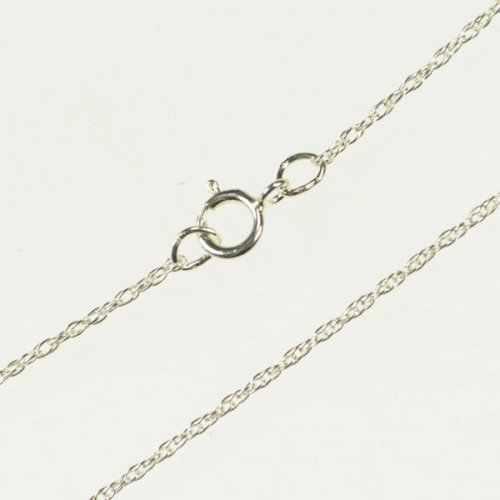 About Jewelry Chain- Wheat Chain and Rope Chain
 Introduction to Chain
 Access More Money by Making Jewelry When Your Prices Are Right
 An Introduction to Beads and Beading
 Common Gemstone Misconceptions
 Wire Wrapped Christmas Tree
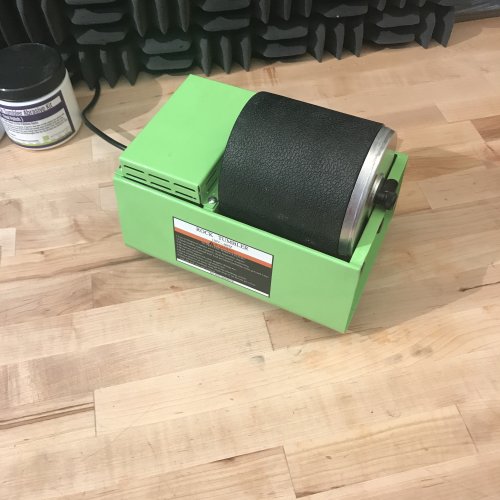 How To Polish Metal Jewelry using a Rotary Tumbler
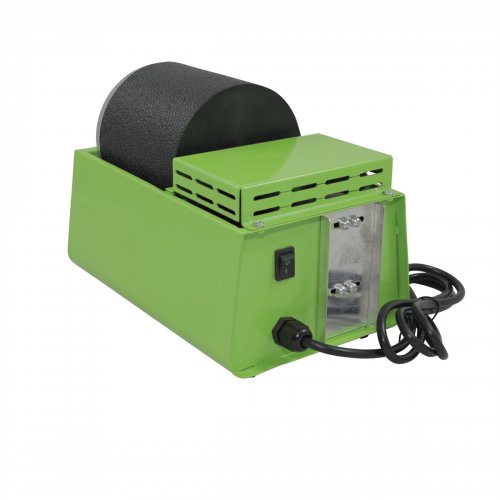 How To Polish Your Own Rocks using a Rotary Rock Tumbler
 How to Merchandise Your Jewelry on the Internet
 How to Use Twitter as a Wire Jewelry Artist
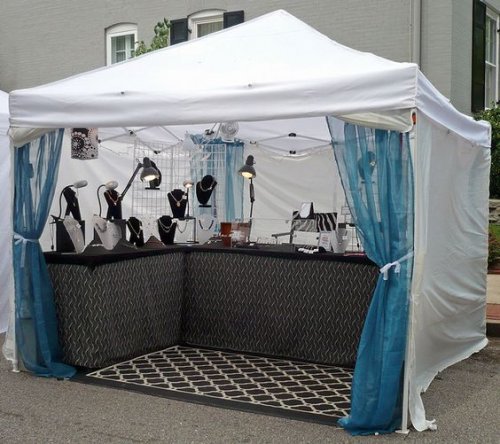 20 Ideas to get your Jewelry Biz Busy
 Watching the Precious Metals Market
 Jewelry Design Ideas - Get Inspired
 Measuring Tools
 July Birthstone - The Ruby
 February Birthstone- Amethyst
 March Birthstone - Aquamarine and Bloodstone
 September Birthstone - Sapphire
 November Birthstones - Topaz and Citrine
 October Birthstones - Rose Zircon, Pink Tourmaline and Opal
 April Birthstone - The Diamond
 August Birthstone - Peridot and Sardonyx
 June Birthstones - Alexandrite, Pearl and Moonstone
 Metalsmithing
 Featured Tool - Mini TruStrike Hammers
 Natural Jasper Stones - Cabochon Gemstones
 Organize Your Jewelry Box
 Pearls- It's a Cultural Thing
 Soldering 101
 Starting Your Own Home Jewelry Business
 The Art of Creating Chainmail
 Why Should I Be Using Facebook
 Make Handmade Neck Cords on a Dime
 Tagging Handmade Jewelry Gifts
 Share Your Expertise with Your Community
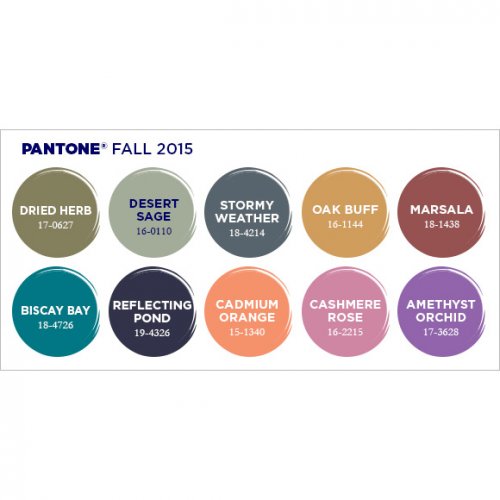 Creating Color Schemes for Jewelry Making
 Bronze, Brass, Nickel Silver and Copper Base Metals
 Gemstone Treatments
 How Wire is Made
 Beading A-B-C's
 How to Set Up Your Workspace
 Gem Profile- Diamond
 Gem Profile- Peridot
 Gem Profile- Goldstone
 Gem Profile- Cryptocrystalline Quartz Introduction
 Gem Profile- Banded Agate and Brecciated Agate
 Gem Profile- Emerald
 Gem Profile- Titanite or Sphene
 Gem Profile- Morganite
 Gem Profile- Desert Rose
 Gem Profile- Iolite
 Gem Profile- Zultanite
 Gem Profile- Maw Sit Sit
 Gem Profile- Tanzanite
 Gem Profile- Aquamarine
 Gem Profile- Turquoise
 Gem Profile- Turquoise Types
 Gem Profile- What's Druze
 Gem Profile- Basalt
 Gem Profile- Fordite
 Gem Profile- Variscite
 Gem Profile- Onyx
 Gem Profile- Sunstone
 Gem Profile- Sonora Sunrise
 Gem Profile- Rhodonite
 Gem Profile- Glass, Crystal and Quartz
 Gem Profile- Psilomelane
 Gem Profile- Fulgurite
 Gem Profile- Cat's Eye
 Gem Profile- Carnelian
 Gem Profile- Petoskey Stones and Indonesian Fossil Coral
 Gem Profile- Rutilated Quartz
 Gem Profile- Chrysocolla
 Gem Profile- Jet
 Gem Profile- Chrysoprase
 Gem Profile- Rhyolite
 Gem Profile- Chalcedony
 Gem Profile- Lepidolite and Sugilite
 Gem Profile- Unakite
 Gem Profile- Cowrie Shells, Conch Shells, and Drilling Shells
 Gem Profile- Mother of Pearl
 Gem Profile- Moss Agate and Plume Agate
 Gem Profile- Thundereggs and Mexican Lace Agate
 Gem Profile- Dumortierite
 Gem Profile- Apatite
 Gem Profile- Blue Topaz
 Gem Profile- Aragonite
 Gem Profile- Zircon and Cubic Zirconia
 Gem Profile- Topaz
 Gem Profile- Howlite
 Gem Profile- Sodalite
 Gem Profile- Magnesite
 Gem Profile- Cuprite
 Gem Profile- Nuummite
 Gem Profile- Bronzite
 Gem Profile- Kyanite
 Gem Profile- Hematite
 Gem Profile- Derbyshire Blue John
 Gem Profile- Eilat Stone
 Gem Profile- Vesuvianite
 Gem Profile- Strontium Titanate -Fabulite
 Gem Profile- Tourmaline
 Gem Profile- Larimar
 Gem Profile- Garnet
 Gem Profile- Tsavorite and Green Garnets
 Gem Profile- Seraphinite
 Gem Profile- Serpentine
 American Wire Gauge
 Viking Knit and Spool Knit Chain
 Copper Roses
 How to Make Medical ID Bracelets Special
 Remembering the Fallen
 6 Ways to Find Your Uniqueness in Jewelry
 Gem Profile- Moissanite
 Birthstone Swarovski Colors
 Gem profile- Paua and Abalone
 Tips for Tucson Shopping- Gem Show Secrets
 Durston Olivia Rolling Mills
 How to Use a Jewelry Bench Polisher Effectively
 5 Jewelry Patterns to Keep Summer Going
 Why Jewelry Makers Love Boho And Free-Form Designs
 5 Fall Leaf Jewelry Patterns to Capture the Colors of Autumn
 Bold Gemstone Wire Jewelry Tutorials for Beginners
 Why Remodeling Old Designs Saves You Money and Sparks Creativity
 Make Something Magical This Halloween Season
 Our Most-Loved Jewelry-Making Patterns of 2025
 Our Most-Loved Jewelry-Making Tips And Techniques of 2025

The premier place for all your jewelry making needs. The best in wire, tools, cabochons, gemstone beads and more. As well as a superior resource for educational support to help build your jewelry making skills and techniques.
Connect With Us

® 2007 - 2026 Wirejewelry.com Powered by ClaimTheWeb Cart