



Gem Profile- Moonstone
Would you like to know more about any of the Feldspars that we covered? Here they are again: Amazonite, Labradorite, Moonstone, Sunstone.
Moonstone, or White Labradorite?
At the end of my labradorite profile, I mentioned white labradorite being called moonstone. This is because the popular stone that we jewelry designers call "rainbow moonstone" is not moonstone at all! Rather, it is a more translucent, white-to-colorless version of labradorite, a plagioclase feldspar.
Moonstone, or White Labradorite?
At the end of my labradorite profile, I mentioned white labradorite being called moonstone. This is because the popular stone that we jewelry designers call "rainbow moonstone" is not moonstone at all! Rather, it is a more translucent, white-to-colorless version of labradorite, a plagioclase feldspar.
To best showcase its play of color, white labradorite is most often cut into cabochons.
However, the variety better known as rainbow moonstone can sometimes be found in clean pieces large enough for faceting.
Facet-grade rainbow moonstone is found in North America, Mexico, Greenland, Norway, Sweden, Madagascar, and Australia.
Most rainbow moonstone cabochons on today's market come from India.
Pictured:
Faceted "Rainbow Moonstone," geologically classified as white labradorite. Private collection, Dale Armstrong.
"Rainbow Moonstone" cabochon combined with amethyst and a gold sapphire, captured in a wire pendant made by Dale "Cougar" Armstrong.
However, the variety better known as rainbow moonstone can sometimes be found in clean pieces large enough for faceting.
Facet-grade rainbow moonstone is found in North America, Mexico, Greenland, Norway, Sweden, Madagascar, and Australia.
Most rainbow moonstone cabochons on today's market come from India.
Pictured:
Faceted "Rainbow Moonstone," geologically classified as white labradorite. Private collection, Dale Armstrong.
"Rainbow Moonstone" cabochon combined with amethyst and a gold sapphire, captured in a wire pendant made by Dale "Cougar" Armstrong.


Moonstone Facts
Geologically speaking, true moonstone is an orthoclase feldspar gem-rock that forms in combination with one or more related minerals, including albite, adularia, perthite, peristerite, or sanidine.
The first historically documented moonstone was the adularia variety, discovered in the Adula Mountains of Switzerland.
However, archaeological finds on the island of Sri Lanka, formerly known as Ceylon, show that beautiful moonstones were used long before modern documentation placed a name or claim on them.
Moonstone wire wrapped by Beverly Brown
Geologically speaking, true moonstone is an orthoclase feldspar gem-rock that forms in combination with one or more related minerals, including albite, adularia, perthite, peristerite, or sanidine.
The first historically documented moonstone was the adularia variety, discovered in the Adula Mountains of Switzerland.
However, archaeological finds on the island of Sri Lanka, formerly known as Ceylon, show that beautiful moonstones were used long before modern documentation placed a name or claim on them.
Moonstone wire wrapped by Beverly Brown

Natural moonstone occurs in shades of white, bluish white, gray, silvery white, and occasionally pale orange or peach.
Some experts argue that only white stones with a blue sheen should be classified as true moonstone.
Most moonstone specimens contain fine, insect-like parallel inclusions known as "centipedes."
When well cut, a moonstone may display sharp eye effects and, in rare cases, a four-rayed star.
Most gem-quality moonstone belongs to the adularia variety, which exhibits a distinctive inner glow known as adularescence.
This effect creates a soft, milky blue sheen that appears to float across the surface of the stone, resembling moonbeams, which is how moonstone earned its name.
A peach moonstone that has been carved to resemble the "man in the moon." Private collection, Dale Armstrong.
Some experts argue that only white stones with a blue sheen should be classified as true moonstone.
Most moonstone specimens contain fine, insect-like parallel inclusions known as "centipedes."
When well cut, a moonstone may display sharp eye effects and, in rare cases, a four-rayed star.
Most gem-quality moonstone belongs to the adularia variety, which exhibits a distinctive inner glow known as adularescence.
This effect creates a soft, milky blue sheen that appears to float across the surface of the stone, resembling moonbeams, which is how moonstone earned its name.
A peach moonstone that has been carved to resemble the "man in the moon." Private collection, Dale Armstrong.

Moonstone Sources and Imitations
Translucent adularia moonstone is most often found as water-worn pebbles eroded from pegmatite deposits.
In many mining areas, these gravels form layers between rock and soil and must be shoveled and hauled to moving water sources such as rivers or sluices.
The material is placed on screens so the dirt can be washed away, allowing moonstone fragments to be separated from the remaining debris. As a result, high-quality moonstone is rarely found in sizes that could be considered large.
Some of the most well-known moonstone sources are Sri Lanka, Burma, and India, where stones appear in soft pastel shades of pink, yellow, green, and white. In North America, moonstone is found in Ontario, Canada, and Virginia, while sanidine moonstone is a notable find in New Mexico.
Moonstone also occurs in Switzerland, Madagascar, Brazil, Kenya, and western Australia.
The most common imitation of moonstone is glass, often sold under the name opalite.
Chatoyant chalcedony is also sometimes mislabeled as moonstone.
Because the word selenite comes from a Greek term related to the moon, some people mistakenly believe moonstone can be called selenite. In reality, selenite is a completely different mineral belonging to the gypsum group, not the feldspar family.
A pair of calibrated peach-tone moonstone cabochons. Private collection, Dale Armstrong.
Translucent adularia moonstone is most often found as water-worn pebbles eroded from pegmatite deposits.
In many mining areas, these gravels form layers between rock and soil and must be shoveled and hauled to moving water sources such as rivers or sluices.
The material is placed on screens so the dirt can be washed away, allowing moonstone fragments to be separated from the remaining debris. As a result, high-quality moonstone is rarely found in sizes that could be considered large.
Some of the most well-known moonstone sources are Sri Lanka, Burma, and India, where stones appear in soft pastel shades of pink, yellow, green, and white. In North America, moonstone is found in Ontario, Canada, and Virginia, while sanidine moonstone is a notable find in New Mexico.
Moonstone also occurs in Switzerland, Madagascar, Brazil, Kenya, and western Australia.
The most common imitation of moonstone is glass, often sold under the name opalite.
Chatoyant chalcedony is also sometimes mislabeled as moonstone.
Because the word selenite comes from a Greek term related to the moon, some people mistakenly believe moonstone can be called selenite. In reality, selenite is a completely different mineral belonging to the gypsum group, not the feldspar family.
A pair of calibrated peach-tone moonstone cabochons. Private collection, Dale Armstrong.

Moonstone in Culture
Moonstone in its many types and colors has been known and used by humans for centuries.
During the 1800s, white moonstones were especially popular in engagement rings.
Because most astronaut-controlled space flights have launched from Florida's Kennedy Space Center, including the mission that carried Neil Armstrong and Edwin Aldrin to the moon, Florida adopted moonstone as its state stone in 1970.
Moonstone was once known as the "traveler's stone," believed by some to offer protection during journeys.
It is also an alternate birthstone for June, along with pearl and alexandrite.
Moonstone Wrapped in Argentium and 14kt Gold Filled Wire by Jane Elizabeth Duke
Moonstone in its many types and colors has been known and used by humans for centuries.
During the 1800s, white moonstones were especially popular in engagement rings.
Because most astronaut-controlled space flights have launched from Florida's Kennedy Space Center, including the mission that carried Neil Armstrong and Edwin Aldrin to the moon, Florida adopted moonstone as its state stone in 1970.
Moonstone was once known as the "traveler's stone," believed by some to offer protection during journeys.
It is also an alternate birthstone for June, along with pearl and alexandrite.
Moonstone Wrapped in Argentium and 14kt Gold Filled Wire by Jane Elizabeth Duke

Ancient cultures believed that the phases of the moon affected the adularescence of polished moonstone, reaching its peak brilliance during a full moon.
For those who value moonstone for metaphysical reasons, it is thought to carry balancing, lunar energy associated with new beginnings.
Moonstone is believed to clean
Carved Moonstone Faces wrapped in sterling silver wire by Tina Bowersox
For those who value moonstone for metaphysical reasons, it is thought to carry balancing, lunar energy associated with new beginnings.
Moonstone is believed to clean
Carved Moonstone Faces wrapped in sterling silver wire by Tina Bowersox

Resources
Print Resources:
The Audubon Society Field Guide to North America Rocks and Minerals by Charles W. Chesterman and Kurt E. Lowe, ISBN 0-394-50269-8
Colored Stone, Vol. 22 No. 6, Dec 2009, Interweave Press
Gem and Lapidary Materials by June Culp Zeitner, ISBN 0-945005-24-5
Gemstones of the World by Walter Schumann, ISBN 0-8069-3088-8
Love Is in the Earth by Melody, ISBN 0-9628190-3-4
Peterson Field Guide to Rocks and Minerals by Frederick H. Pough, ISBN-0-395-91096-X
Simon & Schuster's Guide to Gems and Precious Stones by Curzio Cipriani and Alessandro Borelli, ISBN 0-671-60430-9
Internet Resources:
www.mindat.org
www.wikipedia.org
www.yourdictionary.com
Print Resources:
The Audubon Society Field Guide to North America Rocks and Minerals by Charles W. Chesterman and Kurt E. Lowe, ISBN 0-394-50269-8
Colored Stone, Vol. 22 No. 6, Dec 2009, Interweave Press
Gem and Lapidary Materials by June Culp Zeitner, ISBN 0-945005-24-5
Gemstones of the World by Walter Schumann, ISBN 0-8069-3088-8
Love Is in the Earth by Melody, ISBN 0-9628190-3-4
Peterson Field Guide to Rocks and Minerals by Frederick H. Pough, ISBN-0-395-91096-X
Simon & Schuster's Guide to Gems and Precious Stones by Curzio Cipriani and Alessandro Borelli, ISBN 0-671-60430-9
Internet Resources:
www.mindat.org
www.wikipedia.org
www.yourdictionary.com
Materials

Wire

Sterling Silver Bead with Pave Moonstone 15mm - Pack of 1
K9-134
- Lesson Quantity: 1.00 pieces
- Purchase Quantity: 1.00 each
- Price: $70.97
- Gold Club Price: $53.23

Sterling Silver Bezel Connector Rainbow Moonstone Pear 10X7mm - Pack of 1
K4-81
- Lesson Quantity: 1.00 pieces
- Purchase Quantity: 1.00 each
- Price: $6.06
- Gold Club Price: $4.55

Sterling Silver Pendant Charm w/Pave Diamonds & Rainbow Moonstone 38x8mm - Pack of 1
K1-109
- Lesson Quantity: 1.00 pieces
- Purchase Quantity: 1.00 each
- Price: $69.07
- Gold Club Price: $51.80

Peach Moon Stone 10x14mm Rectangle Cabochon - Pack of 1
E8-35O
- Lesson Quantity: 1.00 pieces
- Purchase Quantity: 1.00 each
- Price: $6.60
- Gold Club Price: $4.95

White Moon Stone 10x14mm Oval Cabochon - Pack of 1
E8-34B
- Lesson Quantity: 1.00 pieces
- Purchase Quantity: 1.00 each
- Price: $6.00
- Gold Club Price: $4.50

White Moon Stone Cabochons

Peach Moon Stone
Tools

WireJewelry - Ultimate Wire-Pliers Jewelry Pliers with Case, Set of 5
G15-20
- G15-20
- Lesson Quantity: 1.00 pieces
- Purchase Quantity: 1.00 each
- Price: $170.72
- Gold Club Price: $128.04

Bench Tools
Supply Detail
loading...
Change Metal:
This Article requires:
Purchase quantity:
Price: $
Gold Club Price: $
Purchase quantity:
Price: $
Gold Club Price: $
- Category: General Education
- Technique(s): General Education
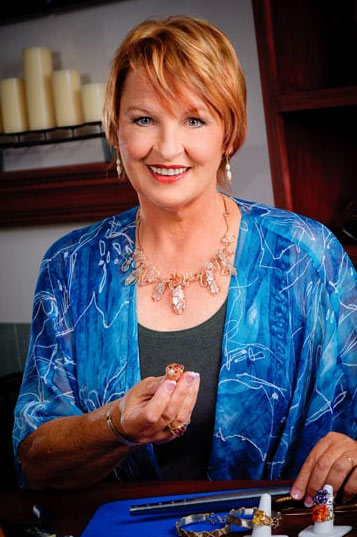
Dale Armstrong
Other Articles by Dale Armstrong
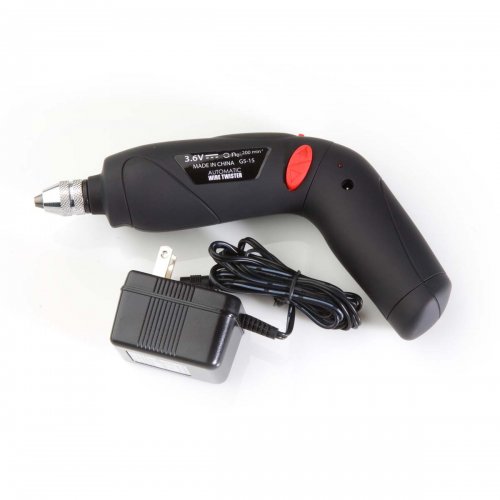 Getting Twisted - Jewelry Making Tools
 How to Price Your Wire Jewelry
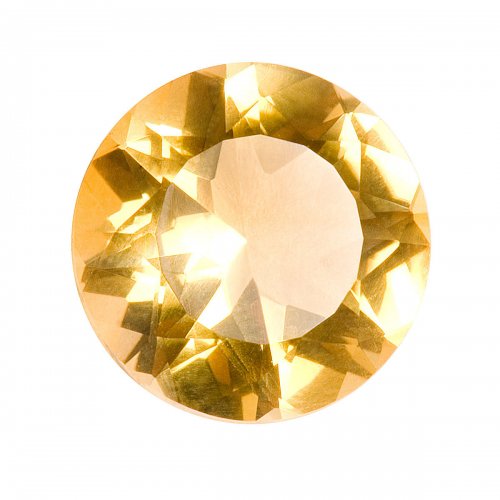 How to Measure Gemstones for Settings
 Cool Anklets are HOT
 Inspiration Comes from Everywhere and Every Thing
 Wire Jewelry Display and Booth Ideas
 Where to Sell Your Wire Jewelry
 How to Choose Wire Temper for Making Jewelry
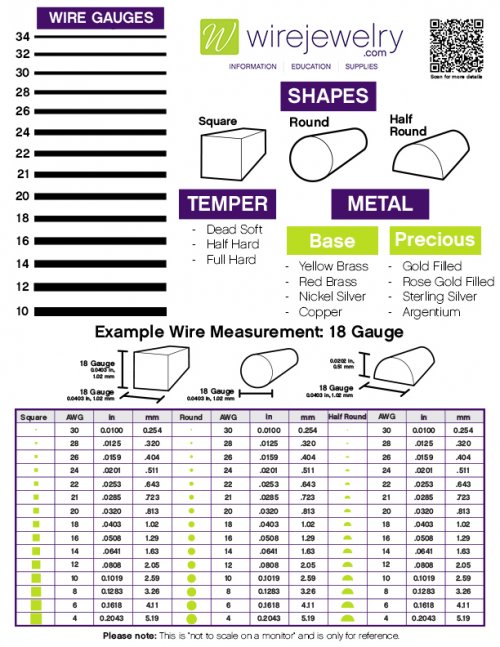 What Gauge of Wire Should I Use to Make Jewelry
 What's a Cubic Zirconia Stone
 Rockhounding - A Beginner's Guide
 What Shape of Wire Should I Use to Make Jewelry
 Gem Profile- Bloodstone
 Gem Profile- Picture Jasper
 Gem Profile- Patterned Jaspers
 Gem Profile- What is Jasper
 Gem Profile- Quartz Introduction
 Gem Profile- Wishful Turquoise
 Gem Profile- Amethyst
 Gem Profile- Fluorite
 Gem Profile- Obsidian
 Gem Profile- Rose Quartz
 Gem Profile- Smoky Quartz
 Gem Profile- Citrine and Ametrine
 Gem Profile- Labradorite
 Gem Profile- Rhodochrosite
 Gem Profile- Prehnite
 Gem Profile- Jade
 Gem Profile- Amazonite
 Gem Profile- Corundum
 Gem Profile- Quartz with Inclusions Part 1
 Gem Profile- Quartz with Inclusions Part 2
 Gem Profile- Aventurine
 Gem Profile- Macrocrystalline Quartz
 Gem Profile- Tiger Eye
 Gem Profile- Fire Agate and Iris Agate
 Gem Profile- Amber
 Gem Profile- Ruby Zoisite
 Gem Profile- Ruby Fuchsite
 Gem Profile- Charoite
 Gem Profile- Moldavite
 Gem Profile- Ammolite
 Gem Profile- White Precious Opal
 Gem Profile- Opalized Fossils
 Gem Profile- Boulder Opal
 Gem Profile- Black Precious Opal
 Gem Profile- Pyrite
 Gem Profile- Opal Introduction
 Gem Profile- Beautifully Colored Jasper
 Gem Profile- Common Opal
 Gem Profile- Lapis Lazuli
 Wire Sculpture Expert Dale -Cougar- Armstrong Interview

The premier place for all your jewelry making needs. The best in wire, tools, cabochons, gemstone beads and more. As well as a superior resource for educational support to help build your jewelry making skills and techniques.
Connect With Us

® 2007 - 2026 Wirejewelry.com Powered by ClaimTheWeb Cart