



Gem Profile- Chrysoprase
Chrysoprase is the apple-green form of chalcedony, instantly recognizable by its color, which is caused by nickel. Chrysoprase can be opauque, semitransparent, and even slightly translucent.
Chrysoprase is found in North America, including Arizona and California, and various places in Europe, such as Poland, Germany, and Russia. It is also found in Australia.
The mineral has a Mohs hardness of 6 to 7. Demand for chrysoprase has fluctuated significantly over time.
Mines in Poland were popular until they were depleted around the 14th century. Chrysoprase became popular again in England in the 1800s until the supply dried up once more.
In 1965, high-quality chrysoprase was discovered in Queensland, Australia. This discovery brought a new and significant supply to the market.
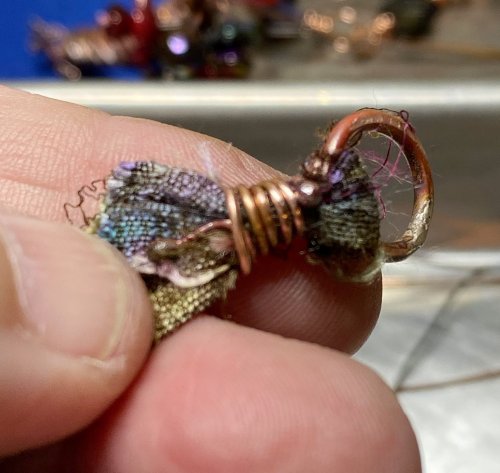
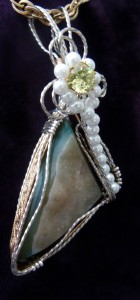
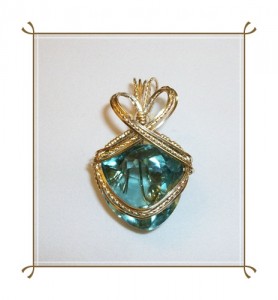
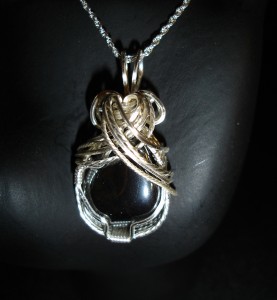
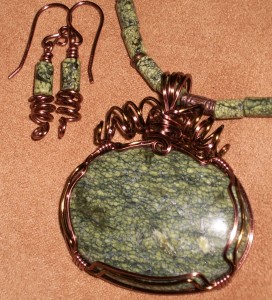
Mary Jean Skiba wrapped this chrysoprase cabochon in a custom design for a friend. The friend requested a spiral in the center to symbolize the spiral goddess.
She made this request because she had been told that the energy of chrysoprase could be helpful to her.
The mineral has a Mohs hardness of 6 to 7. Demand for chrysoprase has fluctuated significantly over time.
Mines in Poland were popular until they were depleted around the 14th century. Chrysoprase became popular again in England in the 1800s until the supply dried up once more.
In 1965, high-quality chrysoprase was discovered in Queensland, Australia. This discovery brought a new and significant supply to the market.
Mary Jean Skiba wrapped this chrysoprase cabochon in a custom design for a friend. The friend requested a spiral in the center to symbolize the spiral goddess.
She made this request because she had been told that the energy of chrysoprase could be helpful to her.

Chrysoprase and chrysocolla are named similarly because both are associated with gold. The Greek root "chryso-" refers to gold.
Chrysocolla, which translates to "gold glue," is named for its similarity to an early gold soldering material.
In contrast, chrysoprase comes from the Greek for "gold green" or "golden leek." This perfectly describes the shades of green in which chrysoprase is found.
Darker varieties of chrysoprase are sometimes simply called "prase." However, "prase" is also used to describe a type of quartz with leek-green chlorite inclusions.
Prase even referred to a type of green jasper in the past, but this usage is generally obsolete today.
Chrysocolla, which translates to "gold glue," is named for its similarity to an early gold soldering material.
In contrast, chrysoprase comes from the Greek for "gold green" or "golden leek." This perfectly describes the shades of green in which chrysoprase is found.
Darker varieties of chrysoprase are sometimes simply called "prase." However, "prase" is also used to describe a type of quartz with leek-green chlorite inclusions.
Prase even referred to a type of green jasper in the past, but this usage is generally obsolete today.
Real Chrysoprase
Chrysoprase is also known as Australian Jade. It may be spelled as "chrysophrase" or "chrysophase."
This stone can be enhanced with dye or imitated using quartz impregnated with chrome green dyes.
It is also easy to confuse certain chrysoprase with jadeite.
Since jadeite is more rare, some suppliers may incorrectly label chrysoprase as jadeite.
Additionally, some material labeled as Chinese chrysoprase is actually just serpentine.
To determine if chrysoprase is real or manufactured, look for small inclusions and imperfections throughout the stone, as with many semiprecious gems.
If there are absolutely no inclusions, the stone is likely very valuable, treated somehow, or a complete imitation.
Chrysoprase is also known as Australian Jade. It may be spelled as "chrysophrase" or "chrysophase."
This stone can be enhanced with dye or imitated using quartz impregnated with chrome green dyes.
It is also easy to confuse certain chrysoprase with jadeite.
Since jadeite is more rare, some suppliers may incorrectly label chrysoprase as jadeite.
Additionally, some material labeled as Chinese chrysoprase is actually just serpentine.
To determine if chrysoprase is real or manufactured, look for small inclusions and imperfections throughout the stone, as with many semiprecious gems.
If there are absolutely no inclusions, the stone is likely very valuable, treated somehow, or a complete imitation.
Prase and Plasma
Plasma is also a variety of chalcedony with green coloring, but this color comes from not nickel, but other minerals like amphibole, celadonite, and chlorite. Plasma also features yellow and white coloration.
Plasma is also a variety of chalcedony with green coloring, but this color comes from not nickel, but other minerals like amphibole, celadonite, and chlorite. Plasma also features yellow and white coloration.
Chrysoprase in Culture
Metaphysically, chrysoprase is said to encourage hope and joy, ease restlessness, and even offer protection when traveling on the ocean.
Hildegarde von Bingen, the 12th-century abbess and mystic, prescribed chrysoprase for calming anger, gout, and reversing bewitchments.
Legend says Alexander the Great, who lived in the 4th century BC, won his battles with a chrysoprase stone inlaid on his belt.
When a snake bit the stone off his belt, the legend claims he suffered military losses and never won another battle.
If you are familiar with 18th-century Europe, you know that public hangings were quite frequent.
A legend claimed that chrysoprase would bestow invisibility when placed in the mouth.
Therefore, criminals supposedly slipped a piece of the stone between their lips while approaching the gallows.
However, I cannot find any record of this plan ever succeeding.
Metaphysically, chrysoprase is said to encourage hope and joy, ease restlessness, and even offer protection when traveling on the ocean.
Hildegarde von Bingen, the 12th-century abbess and mystic, prescribed chrysoprase for calming anger, gout, and reversing bewitchments.
Legend says Alexander the Great, who lived in the 4th century BC, won his battles with a chrysoprase stone inlaid on his belt.
When a snake bit the stone off his belt, the legend claims he suffered military losses and never won another battle.
If you are familiar with 18th-century Europe, you know that public hangings were quite frequent.
A legend claimed that chrysoprase would bestow invisibility when placed in the mouth.
Therefore, criminals supposedly slipped a piece of the stone between their lips while approaching the gallows.
However, I cannot find any record of this plan ever succeeding.
Resources & Recommended Reading
Mindat: Chrysoprase
Chrysoprase - Wikipedia
Mindat: Plasma
Mindat: Prase
Mindat: Fake Chrysoprase
Mindat: Chrysoprase
Chrysoprase - Wikipedia
Mindat: Plasma
Mindat: Prase
Mindat: Fake Chrysoprase
Materials

Wire

WireJewelry Madagascar Stone Mix Rough - Large Natural Gemstones in 1.5 LB Bag
E6-100R
- Lesson Quantity: 1.00 pieces
- Purchase Quantity: 1.00 each
- Price: $21.91
- Gold Club Price: $16.43

Cabochons

Beads
Tools

WireJewelry - Ultimate Wire-Pliers Jewelry Pliers with Case, Set of 5
G15-20
- G15-20
- Lesson Quantity: 1.00 pieces
- Purchase Quantity: 1.00 each
- Price: $170.72
- Gold Club Price: $128.04

Bench Tools
Supply Detail
loading...
Change Metal:
This Article requires:
Purchase quantity:
Price: $
Gold Club Price: $
Purchase quantity:
Price: $
Gold Club Price: $
- Category: General Education
- Technique(s): General Education
Other Articles by Judy Ellis
 About Jewelry Chain- About Ball Chain
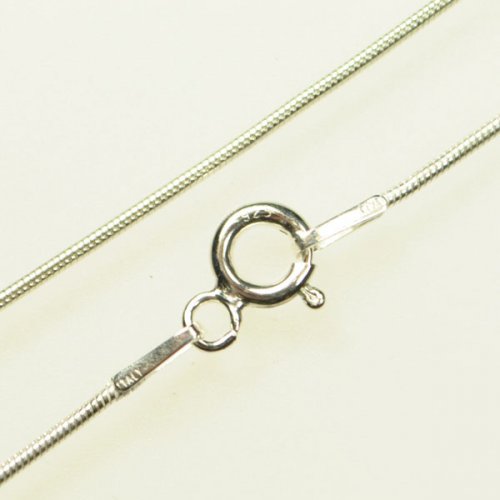 About Jewelry Chain- Snake Chain and Omega Chain
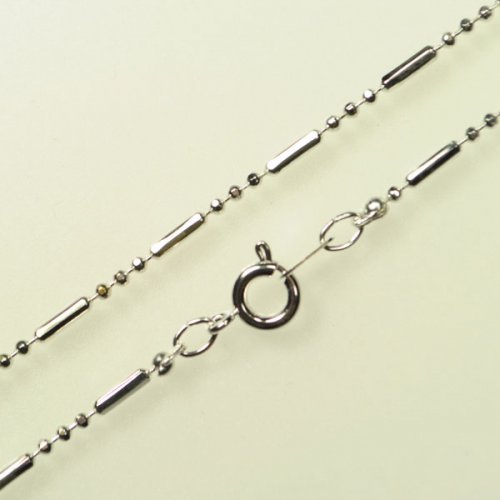 About Jewelry Chain- Bar Chain and Peanut Chain
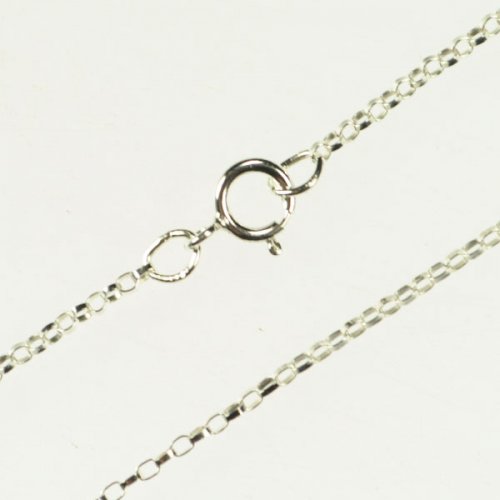 About Jewelry Chain - Cable Chain and Rolo Chain
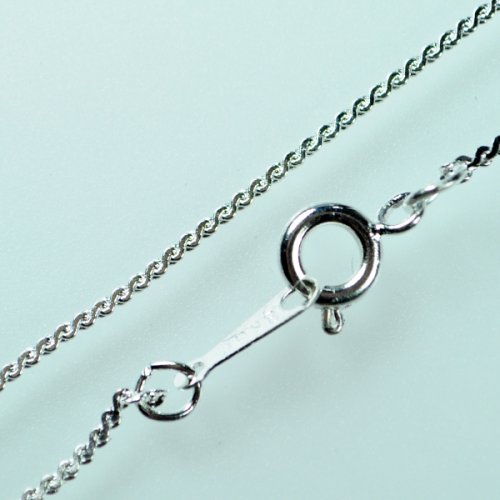 About Jewelry Chain- Curb Chain and Gourmette Chain
 About Jewelry Chain- Figaro Chain
 About Jewelry Chain- Infinity Chain and Anchor Chain
 About Jewelry Chain- Chain Reference Sheet
 About Jewelry Chain- Venetian Chain and Box Chain
 About Jewelry Chain- Wheat Chain and Rope Chain
 Introduction to Chain
 Access More Money by Making Jewelry When Your Prices Are Right
 An Introduction to Beads and Beading
 Common Gemstone Misconceptions
 Wire Wrapped Christmas Tree
 How To Polish Metal Jewelry using a Rotary Tumbler
 How To Polish Your Own Rocks using a Rotary Rock Tumbler
 How to Merchandise Your Jewelry on the Internet
 How to Use Twitter as a Wire Jewelry Artist
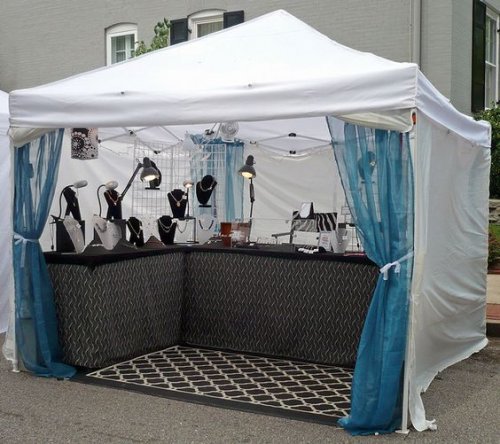 20 Ideas to get your Jewelry Biz Busy
 Watching the Precious Metals Market
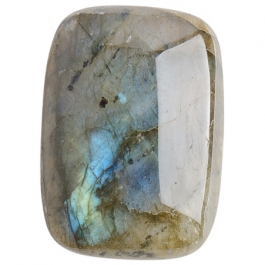 Jewelry Design Ideas - Get Inspired
 Measuring Tools
 July Birthstone - The Ruby
 February Birthstone- Amethyst
 March Birthstone - Aquamarine and Bloodstone
 September Birthstone - Sapphire
 November Birthstones - Topaz and Citrine
 October Birthstones - Rose Zircon, Pink Tourmaline and Opal
 April Birthstone - The Diamond
 August Birthstone - Peridot and Sardonyx
 June Birthstones - Alexandrite, Pearl and Moonstone
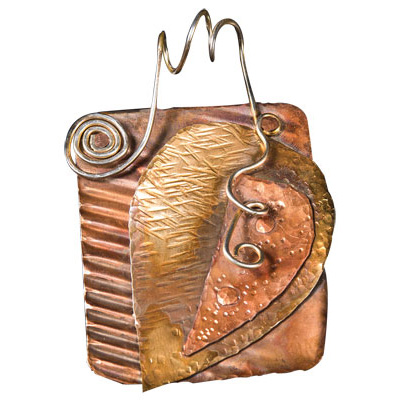 Metalsmithing
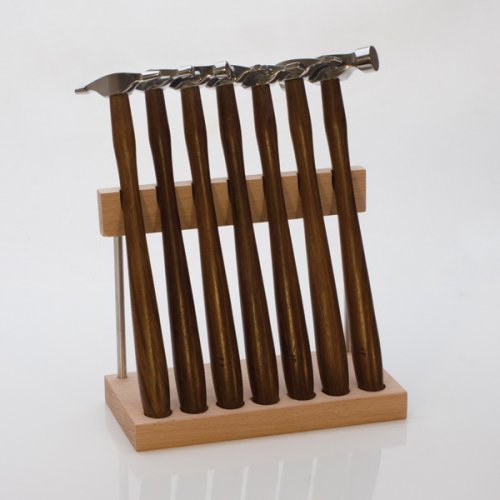 Featured Tool - Mini TruStrike Hammers
 Natural Jasper Stones - Cabochon Gemstones
 Organize Your Jewelry Box
 Pearls- It's a Cultural Thing
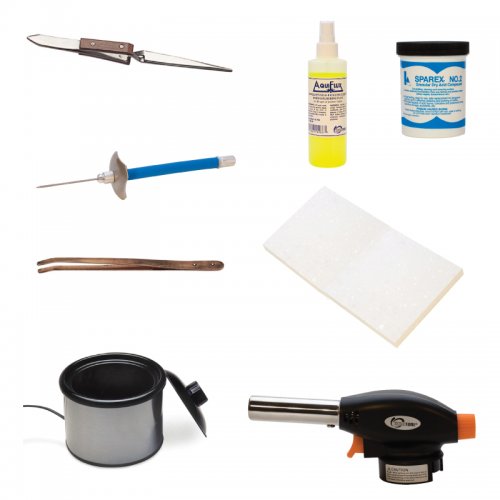 Soldering 101
 Starting Your Own Home Jewelry Business
 The Art of Creating Chainmail
 Why Should I Be Using Facebook
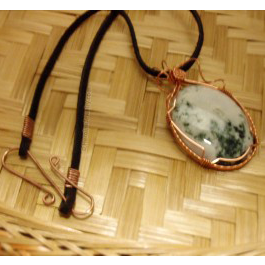 Make Handmade Neck Cords on a Dime
 Tagging Handmade Jewelry Gifts
 Share Your Expertise with Your Community
 Creating Color Schemes for Jewelry Making
 Bronze, Brass, Nickel Silver and Copper Base Metals
 Gemstone Treatments
 How Wire is Made
 Beading A-B-C's
 How to Set Up Your Workspace
 Gem Profile- Diamond
 Gem Profile- Peridot
 Gem Profile- Goldstone
 Gem Profile- Cryptocrystalline Quartz Introduction
 Gem Profile- Banded Agate and Brecciated Agate
 Gem Profile- Emerald
 Gem Profile- Titanite or Sphene
 Gem Profile- Morganite
 Gem Profile- Desert Rose
 Gem Profile- Iolite
 Gem Profile- Zultanite
 Gem Profile- Maw Sit Sit
 Gem Profile- Tanzanite
 Gem Profile- Aquamarine
 Gem Profile- Turquoise
 Gem Profile- Turquoise Types
 Gem Profile- What's Druze
 Gem Profile- Basalt
 Gem Profile- Fordite
 Gem Profile- Variscite
 Gem Profile- Pearls
 Gem Profile- Onyx
 Gem Profile- Sunstone
 Gem Profile- Sonora Sunrise
 Gem Profile- Rhodonite
 Gem Profile- Glass, Crystal and Quartz
 Gem Profile- Psilomelane
 Gem Profile- Fulgurite
 Gem Profile- Cat's Eye
 Gem Profile- Carnelian
 Gem Profile- Petoskey Stones and Indonesian Fossil Coral
 Gem Profile- Rutilated Quartz
 Gem Profile- Chrysocolla
 Gem Profile- Jet
 Gem Profile- Rhyolite
 Gem Profile- Chalcedony
 Gem Profile- Lepidolite and Sugilite
 Gem Profile- Unakite
 Gem Profile- Cowrie Shells, Conch Shells, and Drilling Shells
 Gem Profile- Mother of Pearl
 Gem Profile- Moss Agate and Plume Agate
 Gem Profile- Thundereggs and Mexican Lace Agate
 Gem Profile- Dumortierite
 Gem Profile- Apatite
 Gem Profile- Blue Topaz
 Gem Profile- Aragonite
 Gem Profile- Zircon and Cubic Zirconia
 Gem Profile- Topaz
 Gem Profile- Howlite
 Gem Profile- Sodalite
 Gem Profile- Magnesite
 Gem Profile- Cuprite
 Gem Profile- Nuummite
 Gem Profile- Bronzite
 Gem Profile- Kyanite
 Gem Profile- Hematite
 Gem Profile- Derbyshire Blue John
 Gem Profile- Eilat Stone
 Gem Profile- Vesuvianite
 Gem Profile- Strontium Titanate -Fabulite
 Gem Profile- Tourmaline
 Gem Profile- Larimar
 Gem Profile- Garnet
 Gem Profile- Tsavorite and Green Garnets
 Gem Profile- Seraphinite
 Gem Profile- Serpentine
 American Wire Gauge
 Viking Knit and Spool Knit Chain
 Copper Roses
 How to Make Medical ID Bracelets Special
 Remembering the Fallen
 6 Ways to Find Your Uniqueness in Jewelry
 Gem Profile- Moissanite
 Birthstone Swarovski Colors
 Gem profile- Paua and Abalone
 Tips for Tucson Shopping- Gem Show Secrets
 Durston Olivia Rolling Mills
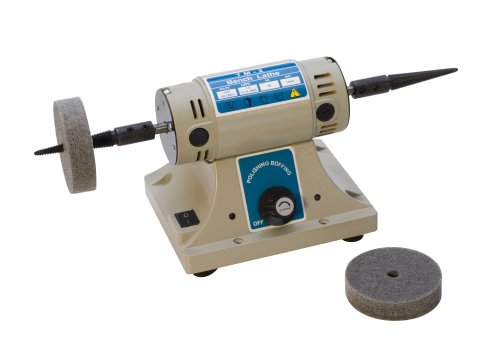 How to Use a Jewelry Bench Polisher Effectively
 5 Jewelry Patterns to Keep Summer Going
 Why Jewelry Makers Love Boho And Free-Form Designs
 5 Fall Leaf Jewelry Patterns to Capture the Colors of Autumn
 Bold Gemstone Wire Jewelry Tutorials for Beginners
 Why Remodeling Old Designs Saves You Money and Sparks Creativity
 Make Something Magical This Halloween Season
 Our Most-Loved Jewelry-Making Patterns of 2025
 Our Most-Loved Jewelry-Making Tips And Techniques of 2025

The premier place for all your jewelry making needs. The best in wire, tools, cabochons, gemstone beads and more. As well as a superior resource for educational support to help build your jewelry making skills and techniques.
Connect With Us

® 2007 - 2026 Wirejewelry.com Powered by ClaimTheWeb Cart